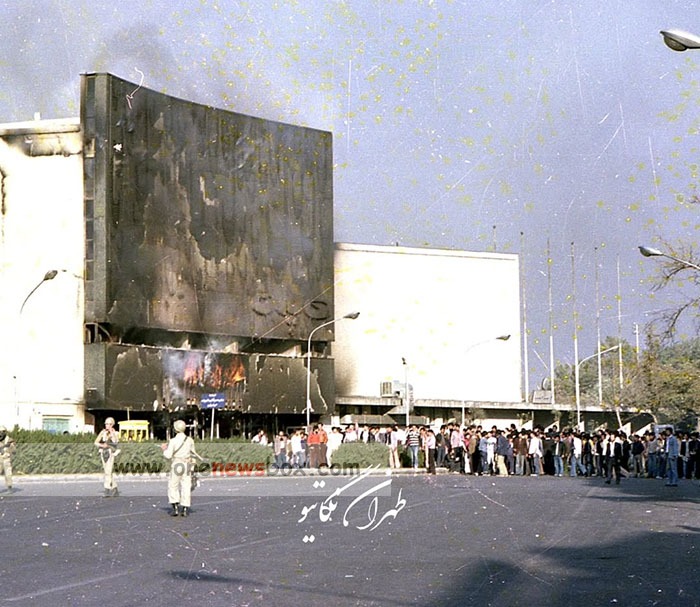
The 1970s saw a series of protests, strikes, and demonstrations against the government. The regime’s attempts to suppress dissent only fueled the anger of the opposition, leading to a growing sense of resistance across the country. The government’s heavy-handed response, including the violent suppression of protesters, only further galvanized the opposition movement. One of the most significant events during this period was the Black Friday massacre of September 1978, in which the military opened fire on protesters, killing hundreds. This event marked a turning point in the revolution, as it demonstrated the government’s willingness to use extreme measures to maintain its grip on power.
In 1977, the political climate began to shift. Pressure from international human rights organizations, as well as growing discontent within the country, forced the Shah to make some concessions. He allowed for greater political freedoms, and the opposition was able to organize more openly. However, these concessions came too late to salvage the regime. The protests continued to escalate, and by the fall of 1978, mass demonstrations had become a regular occurrence. The protests were not only driven by political dissatisfaction but also by economic hardship. The country was suffering from high inflation, rising unemployment, and economic instability, which only exacerbated the sense of frustration among the population.