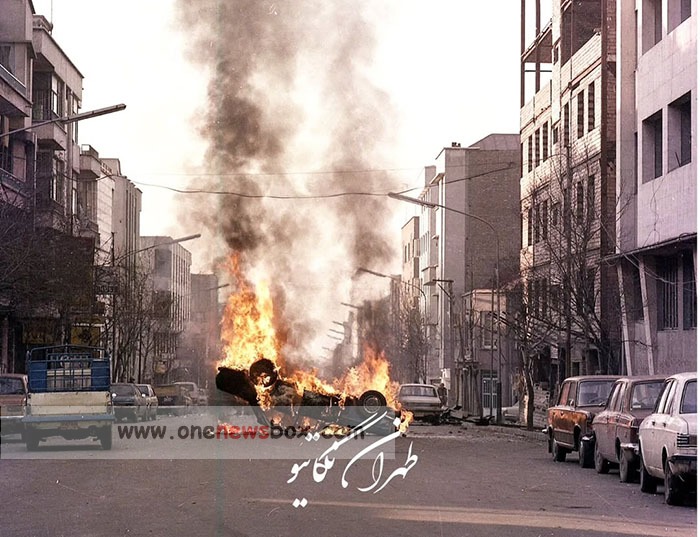
The Shah’s attempts to quell the unrest were unsuccessful. As the situation worsened, Khomeini’s return to the country became inevitable. In early 1979, the Shah fled the country, leaving behind a power vacuum. The opposition, led by Khomeini and other prominent figures, moved quickly to fill the void. On February 1, 1979, Khomeini returned to the country after more than a decade of exile. His arrival was met with massive celebrations, and the revolution entered its final phase.
The collapse of the monarchy was followed by the formation of an interim government, led by Mehdi Bazargan. However, the new government faced numerous challenges, including opposition from various factions, including leftists, nationalists, and the military. In the days that followed, armed confrontations between revolutionary forces and the Imperial Guard took place, and the military ultimately declared its neutrality. With the military out of the picture, the revolutionaries were able to consolidate their power and push forward with the creation of a new political system.
On March 30, 1979, a referendum was held in which the majority of the population voted in favor of establishing an Islamic republic. The new government was based on the principles of Velayat al-Faqih, with Khomeini as its leader. The new constitution, drafted later that year, enshrined the role of the clergy in governance and set the stage for the establishment of a theocratic political system. The revolution had succeeded in its goal of overthrowing the monarchy, but the outcome was far from clear.