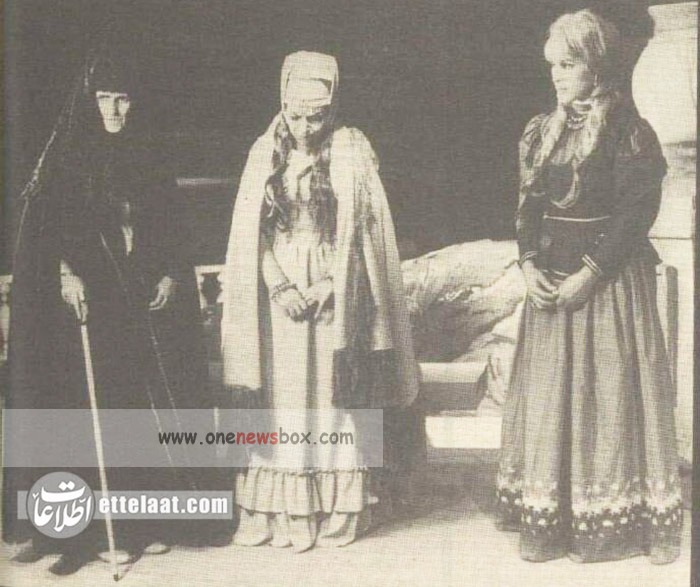
Esmat Safavi’s love for theater was not superficial or occasional; it was central to her life. She participated in numerous significant plays, each of which required deep engagement with Iranian history, folklore, or dramatic literature. Among the most notable works in which she performed were:
These productions often dealt with political power, historical figures, social struggle, and moral conflict. Safavi’s involvement in such works demonstrates her interest in theater as a means of exploring society and history, not merely entertainment.
Her colleagues recognized her as a capable and reliable actress, someone who could be trusted with demanding roles and who approached rehearsals and performances with seriousness. Theater, for Safavi, was not confined to the stage; it extended to every aspect of production. She understood that performance was a collective effort and was willing to contribute wherever needed.
Work Beyond Acting: Humility and Commitment
One of the most revealing aspects of Esmat Safavi’s character is illustrated by her willingness to perform tasks that were far removed from the spotlight. As Parviz Khatibi recounts, during the early days of a small theater in Capital’s Sehm-al-Dowleh Garden, Safavi sold tickets at the box office. This detail is deeply significant. Despite being a trained and capable actress, she did not consider such work beneath her dignity.
Every day at four in the afternoon, Khatibi and Safavi would meet at the theater. During these meetings, Safavi would insist on typing the articles and materials Khatibi had written for newspapers. This act reflects several aspects of her personality: diligence, respect for intellectual labor, and a desire to be useful beyond her own performance.