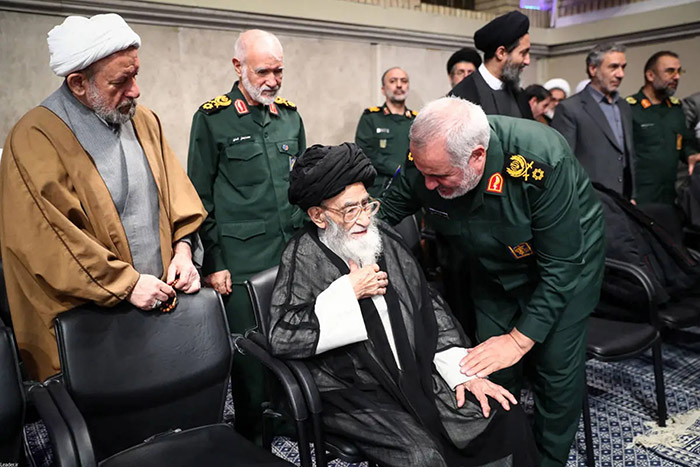
The designation of certain victims as martyrs carries particular significance within the country’s political culture. Martyrdom holds profound religious and historical resonance. By extending this status to some of those killed, authorities incorporated their deaths into a broader narrative of sacrifice and national struggle. At the same time, the distinction between martyrs and terrorists maintained a moral boundary that justified the state’s actions against perceived enemies.
Information control has been another defining feature of the aftermath. Access to the internet was restricted at various points during the unrest, limiting the flow of images and firsthand accounts. Such measures, officials argued, were necessary to prevent coordination among violent groups. Critics viewed them as attempts to suppress evidence and silence dissent. The contest over digital space mirrored the broader struggle over narrative authority.