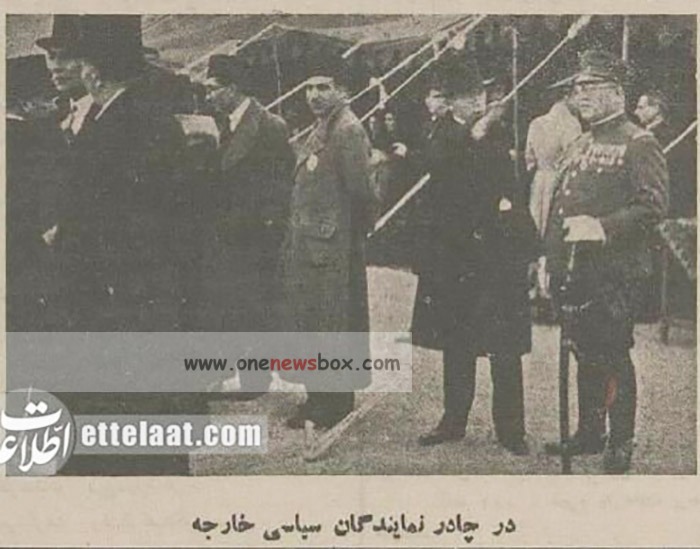
Political Centralization and Authoritarianism
While Reza Shah’s supporters hailed him as the “father of modern Iran,” his political methods were often authoritarian. His consolidation of power was marked by the dissolution of political parties and the suppression of independent voices. He ruled through a combination of strong state institutions and a centralized government, bypassing the traditional systems of governance and the power of the parliament. The 1906 constitution, which had established a parliamentary system, was largely sidelined, and the National Assembly lost much of its power under Reza Shah’s rule.
In order to secure his hold on power, Reza Shah also curbed individual freedoms and cracked down on opposition. His regime was known for its surveillance of citizens, censorship of the press, and imprisonment of political dissidents. Although he pursued modernizing reforms, his methods often resulted in a loss of personal liberties and the weakening of democratic institutions.