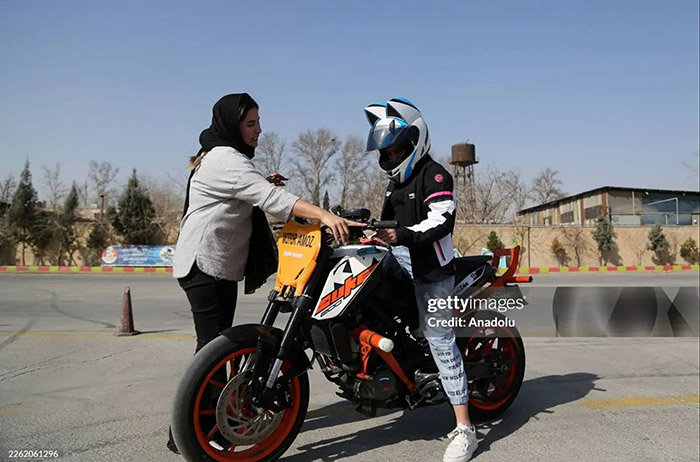
The training center itself had been operating for years, primarily serving male applicants. Its curriculum included classroom instruction, simulator practice, and on-road exercises within controlled environments. With the arrival of women trainees, the atmosphere evolved. Separate class times were sometimes arranged to ensure comfort and focus, though the technical material remained identical. According to participants, the experience was empowering. Many expressed that riding a motorcycle provided a sense of autonomy, especially in congested urban settings where two-wheeled vehicles can navigate traffic more easily than cars.
Public reaction to the images was mixed but lively. Supporters praised the initiative as a step toward recognizing equal rights in everyday life. Critics questioned whether existing regulations permitted the issuance of motorcycle licenses to women. This debate soon reached official circles, prompting comments from law enforcement authorities.
Among those who addressed the issue was Sardar Mohammad Reza Mehmandar, former head of the traffic police in the capital region. In an interview with Iranian Students News Agency, he spoke at length about the legal and regulatory framework surrounding driving licenses. He emphasized that, in principle, public rights are not defined by gender. Driving, he stated, falls into the category of public rights available to all members of society, provided they meet established conditions such as age and competence.