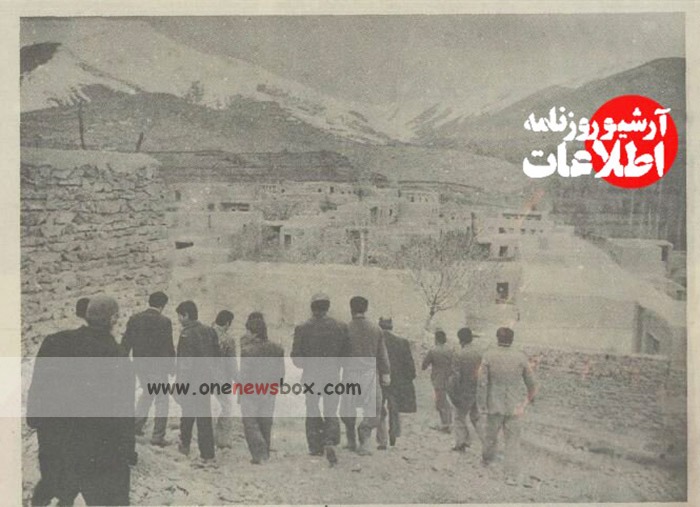
Mirza Taqi Farahani was born into modest circumstances in the village of Hazaveh, now part of Arak County. His father, Karbala’i Muhammad Ghorban, served in the household of the influential Farahani family, particularly under Mirza Isa, known as Mirza Bozorg, and later under Mirza Abul-Qasim Qaem-e-Maqam. His mother, Fatima, lived long enough to witness both the rise and tragic end of her son.
Unlike many high-ranking officials of his era, Amir Kabir did not emerge from aristocratic privilege. His early proximity to the Qaem-e-Maqam household, however, proved decisive. As a child, he reportedly delivered food to the tutor of the Qaem-e-Maqam’s children and listened attentively to lessons. One anecdote recounts how, when the Qaem-e-Maqam questioned his own sons and found their answers lacking, the young Mirza Taqi responded correctly from the doorway. Impressed by his intelligence and eagerness, the Qaem-e-Maqam arranged for his education.
Growing up in the environment of a leading bureaucratic family, Mirza Taqi absorbed administrative discipline and political insight. He rose steadily, eventually serving as a secretary. When Mirza Abul-Qasim Qaem-e-Maqam became chancellor to Muhammad Shah, Mirza Taqi’s administrative career accelerated. His formative years instilled in him a belief in meritocracy, discipline, and national strength—principles that would later define his reforms.