The Atmosphere on the Streets of Tehran
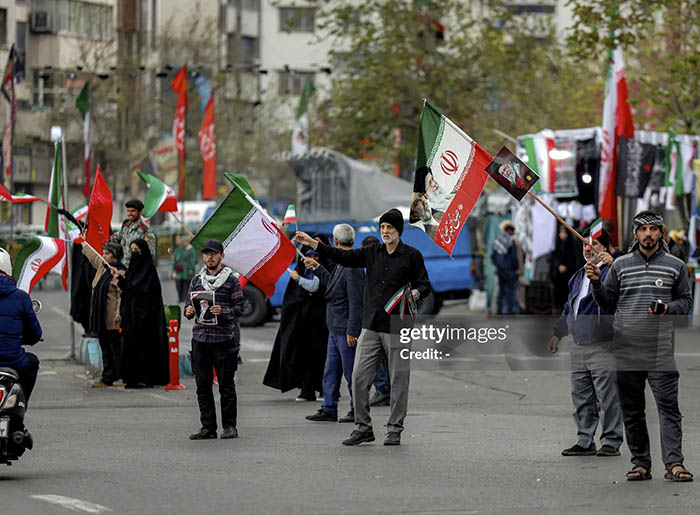
As the rally unfolded across Enghelab Square and surrounding avenues, the atmosphere reflected a mix of urgency, defiance, and emotional intensity. The sound of chants echoed through the streets, blending with the movement of crowds (carrying flags) and images of Mojtaba Khamenei. The visual symbolism was unmistakable: a population segment visibly aligning itself with leadership during wartime.
Observers noted how public gatherings like this serve not only as political demonstrations but also as emotional outlets. In a time when uncertainty dominates daily life in Tehran, collective participation provides a sense of purpose and belonging. The crowd’s energy was shaped by both fear of external threats and a determination to project strength.
The Role of Religion and Ideology
Religion continues to play a central role in shaping political identity in Iran. The support for Mojtaba Khamenei is deeply intertwined with religious ideology, particularly the principles that underpin the Islamic Republic.
Clerical influence has historically guided Iran’s governance, and figures connected to the religious establishment carry symbolic weight. Supporters at the rally framed their (position) not just in political terms but as a دفاع (defense of values). This blending of religion and politics reinforces loyalty and mobilization during times of crisis.
The presence of religious slogans, prayers, and references during the demonstration highlighted how faith remains a powerful (factor) in public life.