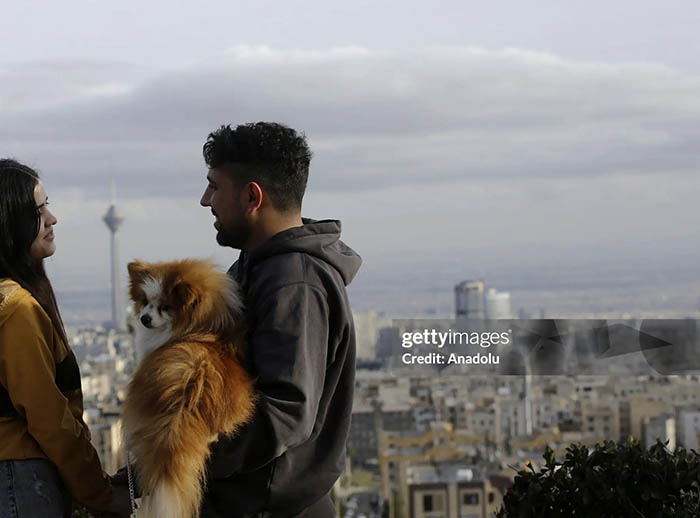
Chapter 2: Why Park Parvaz Still Matters
Despite the danger, Park Parvaz remains active.
To an outsider, this might seem irrational. Why gather in an open, elevated park during wartime?
But for Tehran’s youth, the answer lies in psychology, culture, and survival.
1. A Space of Breathing
War compresses life.
Apartments become shelters. Streets become corridors of anxiety. News cycles become relentless.
Park Parvaz offers something rare:
Space.
Open skies. Wind. Distance from walls.
Even when drones hum faintly overhead, the park provides a sense of psychological expansion—something critical for mental endurance.
2. Visibility and Perspective
From Park Parvaz, the entire city unfolds below.
At night, young people watch the flickering lights—sometimes interrupted by power outages or distant flashes.
The view becomes symbolic:
A reminder that life continues, even in fragments.
3. Community Without Walls
During wartime, social life shrinks.
But in Park Parvaz, it reorganizes.