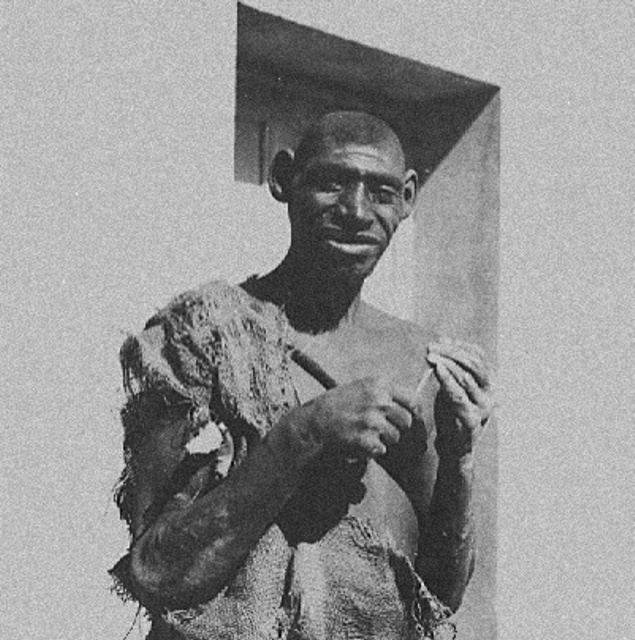
In modern anthropology and medicine, Azzo Bassou is remembered not as a “living fossil,” but as a human being whose life was shaped by a combination of biological condition and environmental deprivation. His case serves as a reminder of the importance of scientific rigor—and compassion—when interpreting human differences.
Over time, cases like Azzo Bassou’s contributed to a broader shift in how scientists and the public understand human variation. What was once hastily labeled as evidence of evolutionary “throwbacks” is now more accurately recognized as the result of genetic conditions, developmental disorders, and environmental factors.