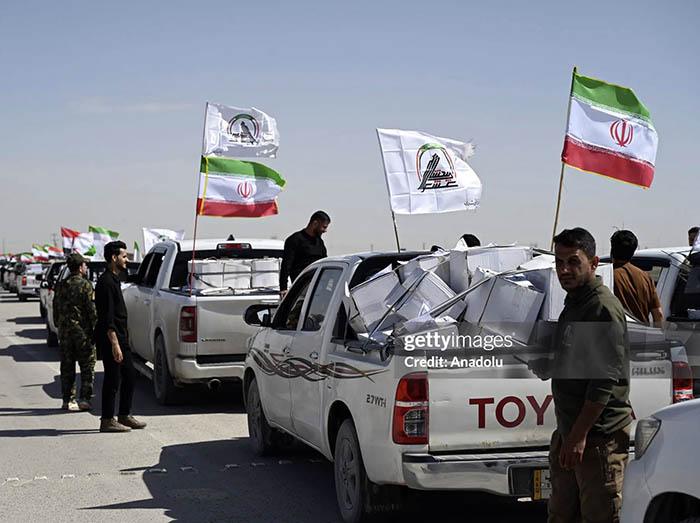
Claims of War and the Need for Verification
Central to the narrative is the claim that Iran is under direct attack by the United States and Israel. Such a development would represent a major escalation with far-reaching global consequences. The involvement of United States and Israel in direct military action against Iran would dominate international headlines, influence global markets, and prompt immediate diplomatic responses.
However, claims of this magnitude require careful verification. While tensions between Iran and Israel have been ongoing, often manifesting through indirect confrontations and regional proxy dynamics, there has been no broadly confirmed evidence of full-scale direct warfare as described in the caption. This highlights the importance of distinguishing between verified information and narratives that may be exaggerated or misinterpreted.
The Power of Viral Media and Misinformation
In the digital age, images and captions can spread rapidly across platforms, shaping perceptions before facts are fully established. A single photograph of a convoy, when paired with a dramatic description, can create a compelling narrative that resonates with audiences worldwide. However, such narratives are not always accurate.
Misinformation can arise from various sources, including outdated images, misidentified locations, or intentionally misleading captions. This is particularly common in conflict-related content, where emotions run high and audiences seek immediate updates. As a result, media literacy and critical evaluation of sources become essential tools for understanding the truth.