Humanitarian Corridors and Cross-Border Aid in the Middle East
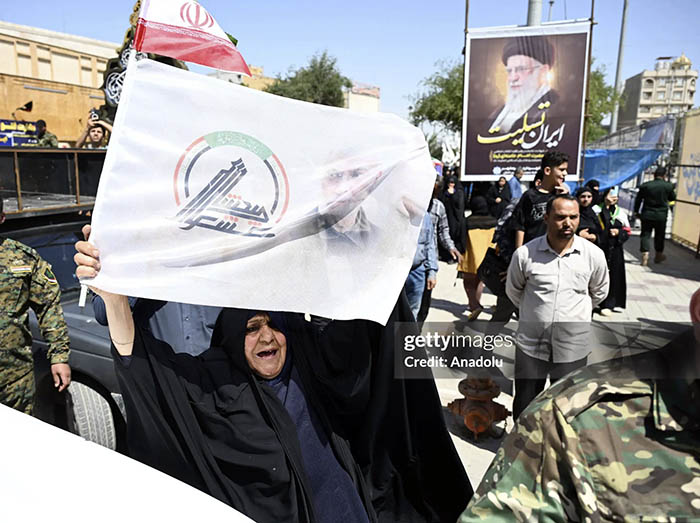
Humanitarian aid corridors in the Middle East have long played a crucial role in mitigating the effects of instability, economic hardship, and regional tensions. The reported convoy organized by Hashd al-Shaabi from Basra to Iran fits into a broader pattern of cross-border assistance that has defined the region for decades. Even outside of full-scale war, countries in this frequently experience localized crises, sanctions-related shortages, and infrastructure challenges that require external support.
Iraq’s southern corridor, particularly Basra, serves as a logistical gateway not only for oil exports but also for humanitarian movement. Roads connecting Basra to border crossings with Iran are well-established, facilitating trade and aid shipments. When convoys of significant size such as one reportedly consisting of 100 vehicles—are mobilized, they often require coordination across multiple agencies, including local authorities, security forces, and border officials. This level of organization suggests that such efforts, if confirmed, are not spontaneous but part of structured campaigns.
Humanitarian convoys also carry symbolic value. They demonstrate not only the capacity to deliver aid but also the willingness of one population to support another. In the context of Iraq and Iran, this symbolism is amplified by shared religious affiliations, particularly among Shia communities. Events such as the Arbaeen pilgrimage already see millions traveling between the two countries, reinforcing social and cultural ties that extend beyond politics.