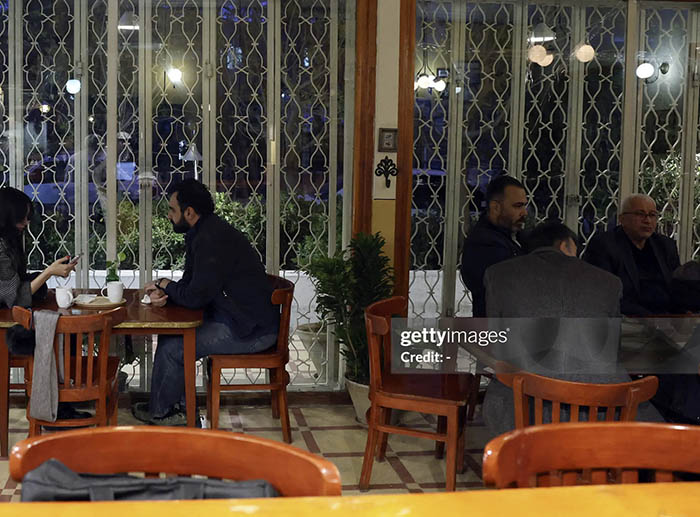
In the heart of Tehran, even as the shadow of the 2026 conflict between Iran, United States, and Israel looms large, the city’s cafes at night tell a story of resilience, tension, and transformation. After the strikes that began on February 28, 2026, and the ensuing military exchanges, many Iranians find themselves navigating the surreal juxtaposition of war and ordinary life — and this contrast becomes most palpable after sunset.
In normal times, Tehran’s cafe culture had already been evolving into something more than a simple coffee-and-conversation scene. Before the war, a vibrant underground nightlife had taken root in the capital, where young people sought spaces of music, dance, and social connection, sometimes pushing against strict social norms. These venues, often operating discreetly and creatively to avoid scrutiny, became emblematic of a generation seeking expression and community.
However, even before the conflict escalated, Tehran’s cafe scene was under pressure. A wave of closures and crackdowns hit the city’s coffee shops, with many shuttered over alleged violations of morality rules, such as serving alcohol or permitting mixed-gender gatherings. Business owners faced legal challenges and official sealing orders that reduced the number of open venues and made the cafe business more precarious.