After Dark: Cafes in the Time of Conflict
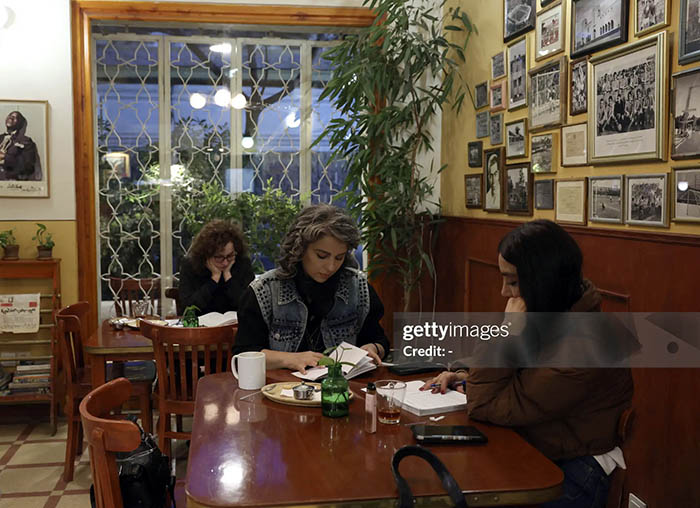
Since the war began, the rhythm of Tehran’s nights has changed. While some cafes have closed due to economic strain, security concerns, or government action, others remain open into the evening — quieter, more subdued, but still alive with human presence. Locals and visitors alike gather to sip tea or coffee, share news from abroad, and seek a momentary refuge from the sounds of distant explosions or the uncertainty of what tomorrow might bring.
These nocturnal gatherings are not merely social; they are acts of endurance. In a city where daytime can be dominated by fear and disruption, nighttime cafes become spaces where people reclaim a sense of normalcy. Conversations range from politics and the latest airstrike reports to memories of pre-war life and hopes for peace. For many, staying open late is a way of asserting that life continues, even in the face of upheaval.
Atmosphere and Adaptation
The ambiance in these cafes is a study in contrasts. Soft lighting and the aroma of coffee offer comfort, yet there is a palpable tension as patrons remain alert to the news cycle and air raid alerts. Some venues play music at low volumes, while others have adopted quieter soundscapes, acknowledging the heavier mood of the moment. Conversations often pause when phones buzz with updates about developments on the frontlines or statements from political leaders.
At the same time, some of the creativity that defined Tehran’s nightlife before the war persists. Young patrons share playlists, exchange books and poetry, and discuss art and culture. In this way, the cafe becomes a kind of informal community center — a place to connect and find solace in shared humanity.