Economic and Social Pressures
The economic toll of the conflict has been severe. Many businesses across Tehran, including cafes, have struggled with rising costs, supply disruptions, and reduced customer traffic. Even before the current war, the cafe sector faced closures and legal hurdles; now, with added wartime uncertainty, survival is even more difficult for proprietors.
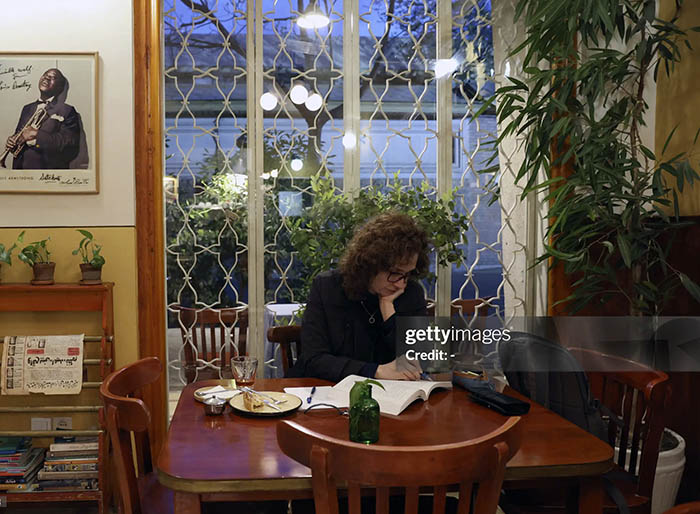
Despite these pressures, the presence of open cafes at night is a testament to the determination of both owners and patrons. For many, the choice to stay open after dark reflects a refusal to let fear dictate every aspect of life. It also underscores the role of cafes as essential social spaces — places where people can talk, listen, and feel connected when the wider world seems fragmented.
Hope, Defiance, and Daily Life
In a conflict that has reshaped so much of daily life in Iran, Tehran’s night cafes are symbols of continuity. They are spaces where ordinary routines persist alongside extraordinary challenges. Patrons may enter seeking warmth and a cup of tea, but they often leave with something deeper: a sense that even amid conflict, community endures.
These cafes remind us that human life is not defined solely by war and geopolitics. Even in times of crisis, people seek connection, comfort, and moments of peace. Nights in Tehran’s cafes are living proof of that — a blend of resilience, adaptation, and quiet defiance in the face of adversity.