Cultural Continuity Amid Disruption
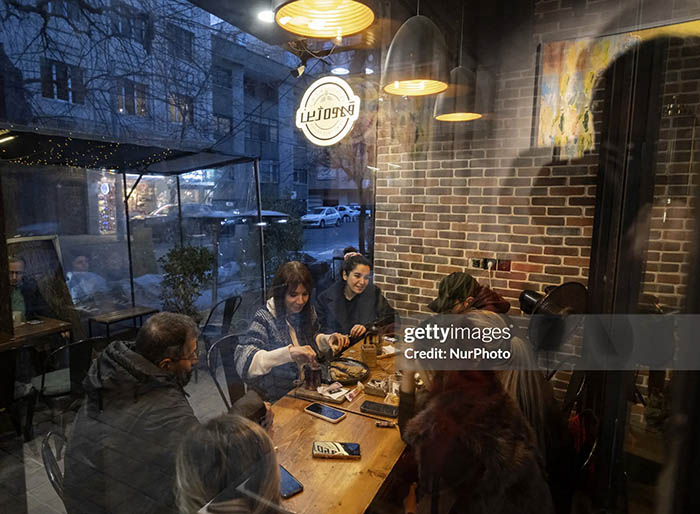
Tehran’s cafe culture has long been intertwined with literature, art, and intellectual exchange. Even during times of conflict, these traditions persist. Writers, artists, and students gather to exchange ideas, read poetry, or discuss current events in an informal setting.
Books and handwritten notes often appear on tables alongside cups of coffee. Some cafes host small, private discussions or readings, carefully arranged to maintain discretion while preserving cultural expression. These gatherings reinforce the idea that culture does not halt in times of crisis — it adapts.
Music, too, plays a subtle role. While loud performances may be less common, background playlists or acoustic sounds help maintain a comforting atmosphere. In some cases, music becomes a shared emotional language, reflecting both the tension and the resilience of the moment.
Economic Survival and Small Business Challenges
Cafe owners in Tehran face a complex set of challenges during wartime conditions. Supply chain disruptions can affect the availability of ingredients such as coffee beans, milk, and imported goods. Inflation and currency fluctuations also impact pricing and profitability.
To adapt, some businesses have streamlined their menus, focusing on core offerings that are easier to maintain. Others rely on loyal customer bases, building relationships that help sustain operations even during difficult periods. Regular patrons often return not just for the products, but for the familiarity and sense of stability that these spaces provide.
Staffing is another concern. Employees may face personal or family-related disruptions, transportation difficulties, or safety considerations that affect their ability to work consistently. Despite these obstacles, many cafes continue to operate with reduced but committed teams.