The Psychological Role of Cafes During Conflict
Beyond their economic and social functions, cafes in Tehran serve an important psychological purpose during wartime. They offer a controlled environment where individuals can momentarily step away from external stressors and engage in normal social behavior.
For many, simply sitting in a cafe, hearing conversations, and observing daily interactions helps reduce feelings of isolation. In times of uncertainty, such environments can provide grounding and emotional stability.
Psychologists often note that maintaining routines — even small ones like visiting a cafe — can help individuals cope with stress. In this context, Tehran’s cafes become more than leisure spaces; they function as informal support systems embedded within urban life.
Contrasts That Define the City
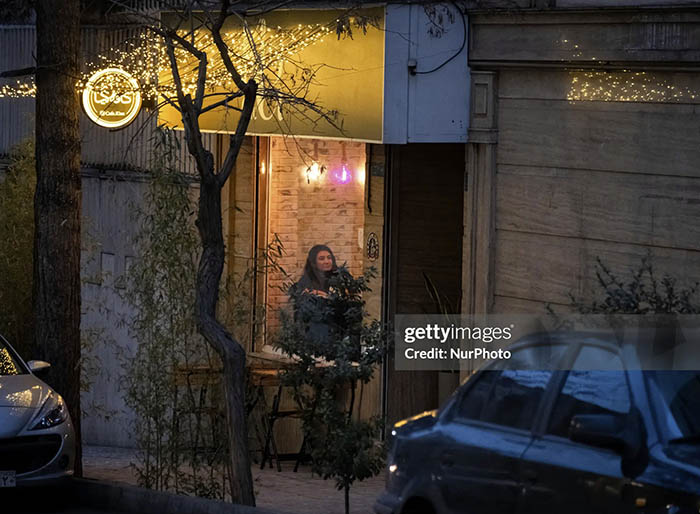
Perhaps the most striking aspect of Tehran at night during this period is the contrast between external conflict and internal normalcy. While geopolitical tensions unfold on a global stage, life inside cafes continues with conversations, laughter, and quiet reflection.
This duality defines the experience of many residents. On one hand, there is awareness of events beyond the city — military developments, political statements, and international reactions. On the other hand, there is the immediate reality of shared tables, warm drinks, and familiar faces.
The coexistence of these two realities highlights the complexity of life in a city affected by conflict. It is neither entirely dominated by war nor completely detached from it, but instead exists in a dynamic balance between the two.