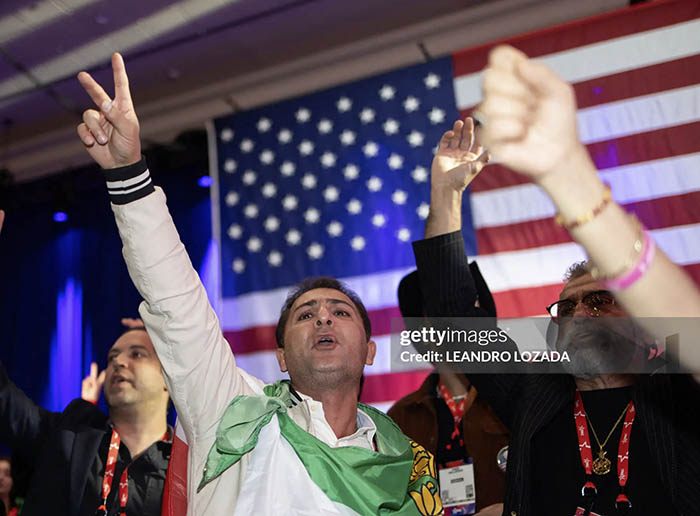
Regime Change Debate: Strategic Pathways and Political Realities
Following his headline-making remarks at the Conservative Political Action Conference, Reza Pahlavi expanded on one of the most controversial topics in international politics: Iran regime change.
While his message was clear—“the Islamic Republic cannot be reformed”—the path toward replacing it remains complex, uncertain, and deeply contested.
Strategic Pathways for Change
1. Internal Uprising
Pahlavi emphasized that real change must come from within Iran.
- Grassroots protests
- Labor strikes
- Civil disobedience movements
Recent years have shown waves of protests driven by economic hardship and social restrictions, suggesting internal pressure is building.
2. International Pressure
Global sanctions and diplomatic isolation have weakened the regime economically.
- Financial restrictions
- Trade limitations
- Political isolation
However, critics argue sanctions often hurt ordinary citizens more than political elites.
3. Support for Opposition Movements
Pahlavi called for increased support for democratic forces.
- Funding independent media
- Supporting civil society
- Amplifying dissident voices
This approach aligns with broader Western strategies in authoritarian contexts.