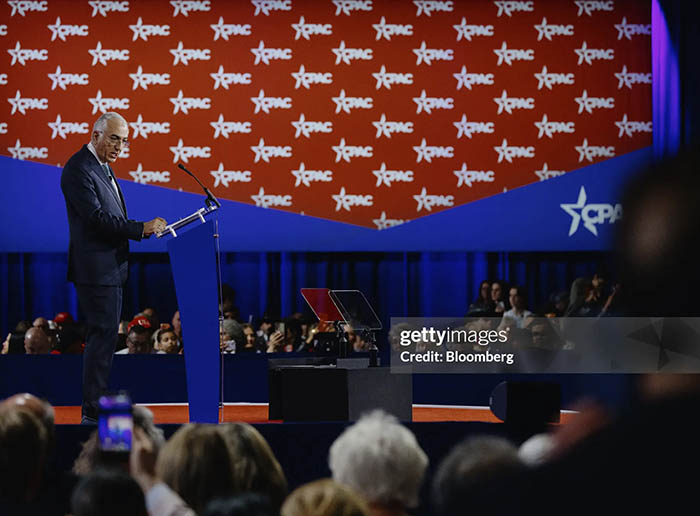
Nevertheless, Pahlavi’s speech reflects a broader shift in the discourse surrounding Iran. There is growing skepticism about the effectiveness of engagement and reform as strategies for addressing the challenges posed by the Islamic Republic. At the same time, there is increasing attention to the voices of Iranian citizens, particularly younger generations, who have expressed dissatisfaction with economic conditions, social restrictions, and political repression. These internal dynamics suggest that the pressure for change is not solely external but also deeply rooted within Iranian society.
The role of technology and information in this context cannot be overlooked. Despite efforts by the government to control media and restrict access to information, digital platforms have enabled Iranians to connect with each other and with the outside world. Social media, encrypted messaging, and other tools have become essential for organizing protests, sharing information, and amplifying dissent. These developments have made it more difficult for authorities to maintain complete control over public discourse and have created new opportunities for opposition movements.
Human rights remain a central issue in discussions about Iran’s future. Reports of political repression, restrictions on freedom of expression, and discrimination against women and minorities have drawn international criticism. Pahlavi emphasized that any new system must address these issues comprehensively, ensuring that all citizens are treated equally under the law and that fundamental freedoms are protected. He highlighted the role of women and young people as key drivers of change, noting their active participation in protests and advocacy efforts.