A Defining Moment in the Debate Over Iran’s Future
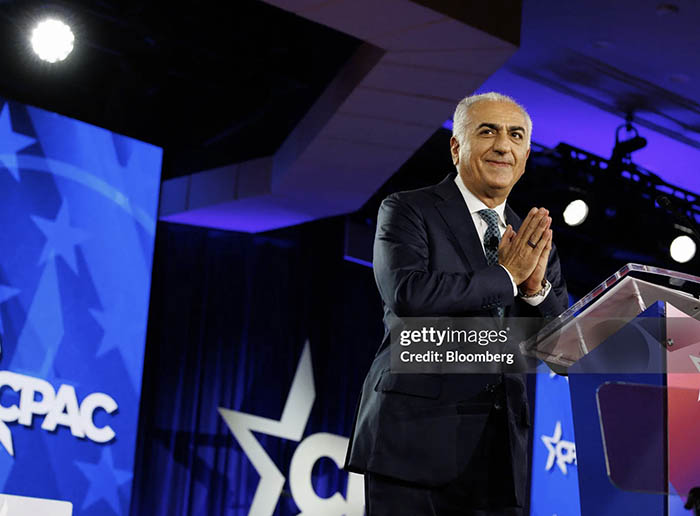
The speech delivered by Reza Pahlavi at the Conservative Political Action Conference in March 2026 has become one of the most widely discussed political interventions regarding Iran in recent years. Speaking before an influential gathering of conservative leaders, activists, and policymakers in the United States, Pahlavi presented a forceful argument that the Islamic Republic of Iran is fundamentally incapable of reform and that only a complete transition away from the current system can bring stability, peace, and prosperity to Iran and the wider world.
His remarks have reverberated far beyond the conference halls in Texas, shaping conversations about regime change, international security, and the future of governance in the Middle East. By framing the issue in stark terms—reform versus total transformation—Pahlavi has inserted himself into the center of a global debate that has persisted since the Iranian Revolution fundamentally altered Iran’s political trajectory.
Reza Pahlavi’s personal history lends weight and controversy to his message. As the son of Mohammad Reza Shah Pahlavi, he represents a direct link to Iran’s pre-revolutionary monarchy. That period was marked by rapid modernization and strong ties to Western powers, but it was also criticized for authoritarian governance and political repression. The revolution that overthrew the monarchy replaced it with a theocratic system that fused religious authority with political power, creating the Islamic Republic that exists today. Since living in exile, Pahlavi has sought to redefine his role, positioning himself not as a monarch-in-waiting but as a proponent of secular democracy, human rights, and national unity.