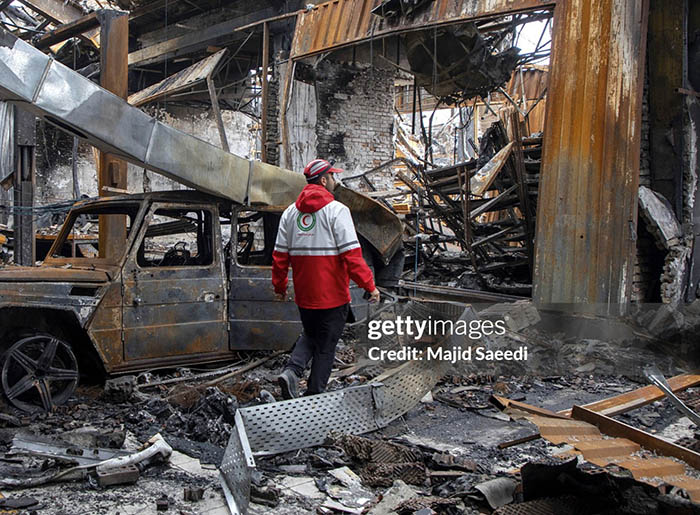
The war has also influenced global defense policies, prompting many countries to reassess their military preparedness and strategic priorities. Governments are closely analyzing the effectiveness of various weapon systems, air defense networks, and intelligence capabilities demonstrated during the conflict. Lessons learned from the use of drones, missile defense systems, and electronic warfare are likely to inform future investments in defense technology and military doctrine. This process of adaptation reflects the ongoing evolution of warfare in the 21st century, where technological superiority and rapid response capabilities play a decisive role.
Media coverage of the conflict has played a significant role in shaping international perception. The flow of information, including images, reports, and analyses, contributes to public understanding but also raises concerns about accuracy, bias, and misinformation. In a high-stakes environment such as this, narratives can influence diplomatic relations, public opinion, and even policy decisions. Governments and organizations are therefore increasingly attentive to information security and strategic communication, recognizing the importance of managing both domestic and international audiences.
Economic consequences continue to ripple outward from the epicenter of the conflict. Beyond energy markets, industries such as manufacturing, aviation, tourism, and shipping have experienced indirect effects. Supply chain disruptions have led to delays in production and distribution, while increased costs associated with transportation and insurance have impacted global trade. Central banks and financial institutions are monitoring inflationary trends closely, as prolonged instability in the region could contribute to sustained economic pressure in multiple economies.