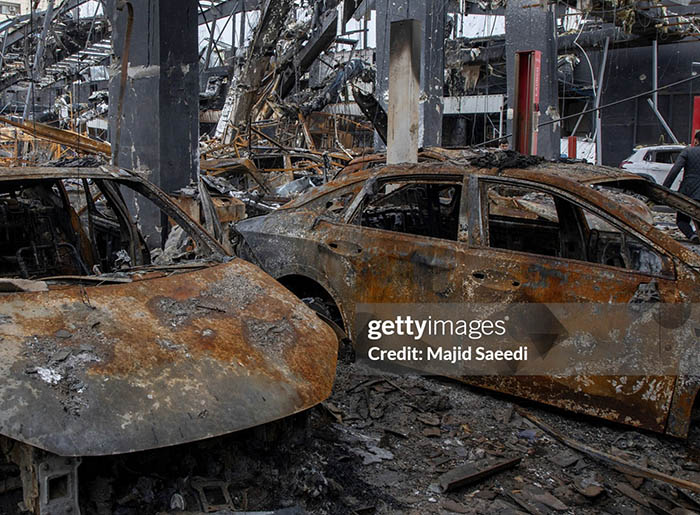
The evolving nature of the conflict also highlights the shifting balance between deterrence and escalation in international relations. Traditionally, major powers rely on deterrence to prevent adversaries from initiating conflict. However, in this case, deterrence mechanisms appear to have failed or been overridden by strategic imperatives and perceived threats. The initial strikes by the United States and Israel indicate a decision to act preemptively rather than rely on containment alone. Iran’s response, in turn, demonstrates its commitment to preserving sovereignty and regional influence, even at significant cost.
As the war continues, the question of escalation control becomes increasingly important. In conflicts involving nuclear-capable states or those suspected of pursuing nuclear capabilities, the threshold for escalation is inherently lower due to the catastrophic potential of such weapons. While no confirmed use of nuclear weapons has occurred in this conflict, the underlying concerns about nuclear proliferation remain central to the strategic calculus of all parties involved. This adds an additional layer of complexity to diplomatic efforts, as negotiations must address not only immediate military concerns but also long-term strategic assurances.
Another important dimension of the conflict is the role of regional actors who are indirectly affected but not always directly involved in the fighting. Countries in the Middle East are navigating a delicate geopolitical landscape, balancing security interests, economic dependencies, and political alliances. Some nations have strengthened defensive measures, increased military readiness, or engaged in diplomatic outreach to reduce the risk of spillover. Others face internal pressures as public sentiment responds to developments in the war and broader regional dynamics.