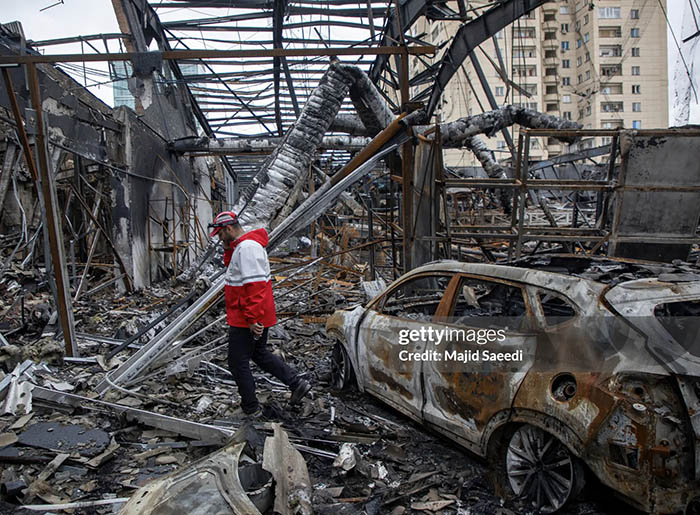
Iran’s response was swift and multifaceted, reflecting both conventional and asymmetric warfare strategies. The country launched waves of ballistic missiles and drones targeting Israeli cities and United States military installations across the region. These retaliatory strikes demonstrated Iran’s capacity to project power despite sustaining heavy losses in the initial attacks. The use of drones and missile barrages aimed to overwhelm defensive systems and create sustained pressure on adversaries. At the same time, Iran leveraged its network of regional allies and proxy groups to expand the scope of the conflict, effectively transforming it into a broader regional confrontation.
One of the most critical developments in the war has been Iran’s move to effectively blockade the Strait of Hormuz, a narrow but strategically vital waterway through which a significant portion of the world’s oil supply passes. The disruption of this route has sent shockwaves through global energy markets, driving up oil prices and triggering economic uncertainty worldwide. The blockade has also heightened tensions in the الخليج region, where neighboring countries face increased risks to their security and economic stability. The strategic significance of the Strait of Hormuz cannot be overstated, as its closure has immediate and profound consequences for international trade and energy distribution.
As the conflict progressed into March 2026, the intensity of military operations showed no signs of diminishing. Airstrikes continued across multiple Iranian cities, targeting both military and logistical infrastructure. Reports indicated that Iran’s missile capabilities, while degraded, remained operational due to the decentralized nature of its systems. This resilience has allowed Iran to sustain its retaliatory campaign, prolonging the conflict and complicating efforts to achieve a decisive outcome. Meanwhile, discussions within the United States defense establishment have reportedly included preparations for extended operations, raising concerns about the possibility of a prolonged engagement or even a ground incursion.