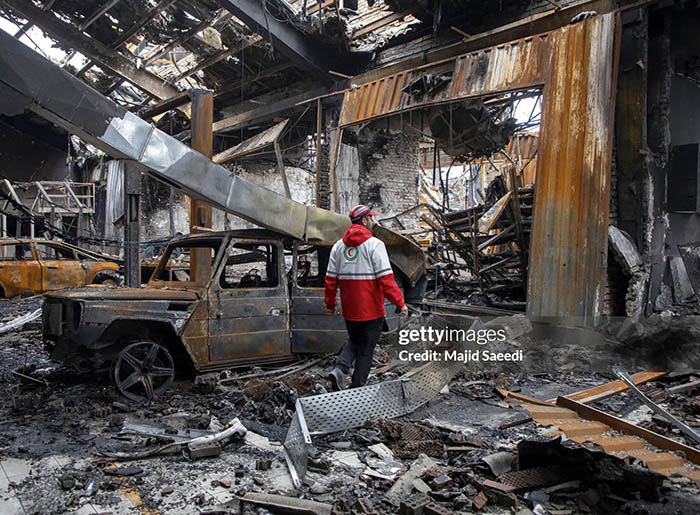
The economic consequences of the war extend far beyond the Middle East, affecting markets and industries around the world. The surge in oil prices has contributed to inflationary pressures, impacting consumers and businesses alike. Supply chain disruptions have compounded these effects, particularly in sectors reliant on energy and transportation. Financial markets have experienced volatility as investors respond to the uncertainty, and governments are grappling with the potential for a broader economic downturn. The has thus become not only a regional crisis but also a global economic concern.
In addition to conventional military operations, the conflict has also unfolded in the digital domain. Cyberattacks targeting infrastructure, financial systems, and communication networks have been reported, highlighting the evolving nature of warfare in the modern era. Information campaigns and propaganda efforts further complicate the situation, as competing narratives seek to shape public perception and influence international opinion. This dimension of the conflict underscores the interconnectedness of physical and digital arenas in contemporary geopolitical struggles.
As the war continues, the future remains uncertain, with several possible trajectories. A prolonged conflict appears increasingly likely if neither side achieves a advantage. Such a scenario would entail sustained military engagement, ongoing economic disruption, and continued humanitarian suffering. Alternatively, the could escalate further, drawing in additional countries and potentially leading to a broader regional or even global confrontation. The risk of miscalculation or unintended escalation remains a constant concern, particularly given the high stakes involved.