Despite these challenges, the possibility of a diplomatic resolution cannot be entirely dismissed. History has shown that even the most entrenched conflicts can eventually give way to negotiation under the right conditions. However, achieving such an outcome would require significant compromises and a willingness among all parties to prioritize stability over confrontation. The role of international mediators and regional stakeholders will be crucial in facilitating any potential dialogue.
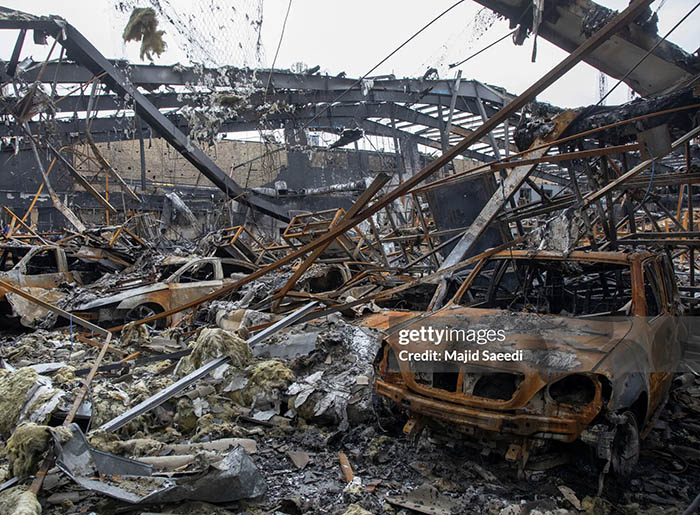
In conclusion, the 2026 war between the United States, Israel, and Iran represents a defining moment in global geopolitics. It encapsulates the complexities of modern conflict, where military power, economic interests, and political dynamics intersect in profound and often unpredictable ways. The unfolding in Tehran and across the region serve as a stark reminder of the human cost of and the urgent need for solutions that can restore peace and stability. As the world continues to monitor the situation, the choices made in the coming weeks and months will have lasting implications for the international order and the of global security.