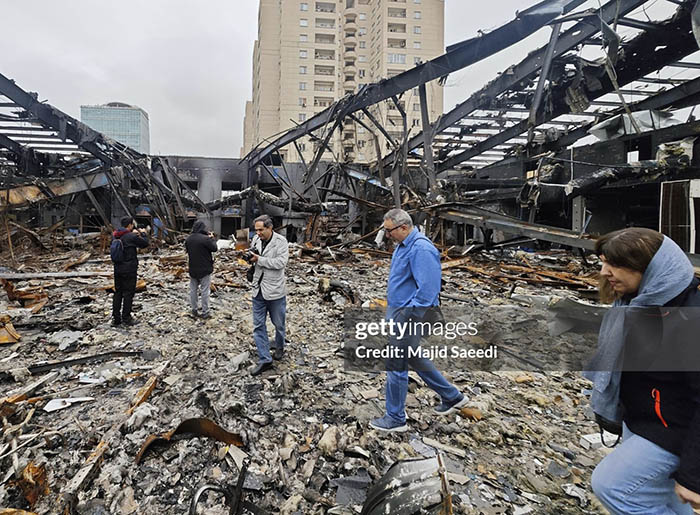
Humanitarian organizations have attempted to respond to the crisis by delivering aid, coordinating evacuations, and providing medical assistance. However, logistical challenges, security risks, and restricted access have hindered the scale and effectiveness of these efforts. The complexity of operating in an active conflict zone limits the ability of international agencies to reach all those in need, further exacerbating the humanitarian situation.
Diplomatic channels remain open but fragile. Backchannel communications, mediated discussions, and multilateral engagements have taken place intermittently, reflecting a recognition among some stakeholders that continued escalation carries substantial risks. Nevertheless, deep mistrust between the parties, combined with conflicting strategic objectives, has made it difficult to achieve meaningful breakthroughs. Any potential agreement would likely require concessions that are politically sensitive and strategically significant, making compromise challenging in the current environment.
The broader international community continues to monitor developments closely, aware that the outcome of this conflict could reshape global power dynamics. Alliances may shift, defense priorities may be redefined, and international norms surrounding conflict and intervention could be influenced by the precedent set during this war. Countries not directly involved in the fighting are nonetheless affected through economic exposure, security concerns, and diplomatic alignment decisions.