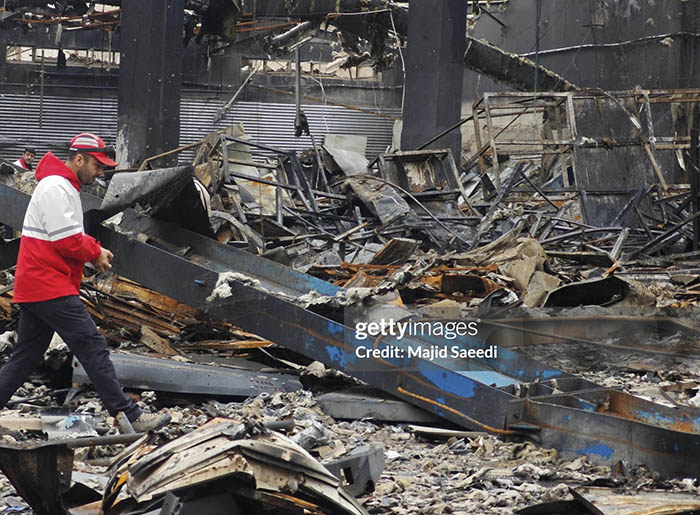
The humanitarian situation remains one of the most pressing concerns as the war progresses. Displacement of populations, damage to infrastructure, and limited access to essential services have created conditions that require sustained international attention and assistance. Relief efforts face logistical and security challenges, and coordination among various agencies is critical to maximizing effectiveness. The long-term recovery of affected مناطق will depend not only on the cessation of hostilities but also on reconstruction efforts, governance stability, and international support.
In the broader historical context, the 2026 conflict between the United States, Israel, and Iran may be viewed as part of a continuing pattern of regional tensions that have periodically escalated into open confrontation. However, the scale, intensity, and global implications of this particular conflict distinguish it from previous episodes. The integration of advanced military technologies, the involvement of major global powers, and the direct impact on critical global infrastructure such as energy supply routes all contribute to its uniqueness.
Looking ahead, analysts emphasize that the duration and outcome of the conflict will depend heavily on strategic decisions made in the near term. Sustained military engagement without a clear resolution could lead to exhaustion of resources, increased domestic pressure, and growing international calls for intervention. Conversely, breakthroughs in diplomacy, whether through direct negotiations or mediated agreements, could alter the trajectory of the conflict and pave the way for de-escalation.