Memory, Legacy, and the Fight Against Forgetting
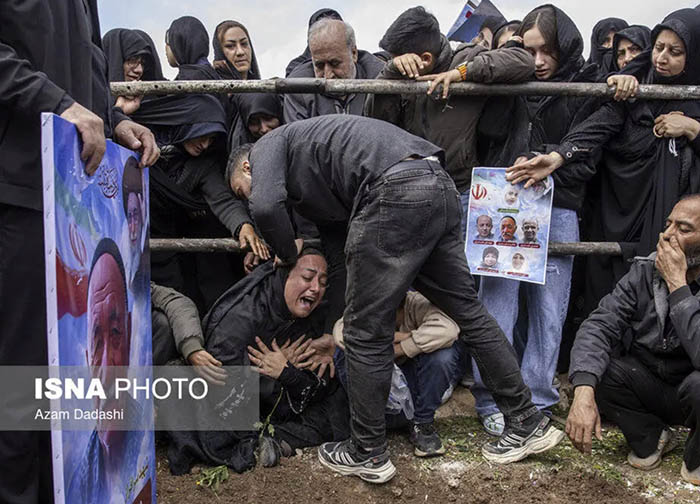
Funerals are not just about saying goodbye; they are about preserving memory. Families often emphasize the identity, achievements, and dreams of the deceased, resisting any narrative that reduces them to mere casualties.
In many cases, memorials emerge after funerals. Walls are covered with photos, names are written on banners, and anniversaries are marked with gatherings. These acts ensure that victims remain part of collective memory.
Over time, these memories can shape national narratives. They influence how conflicts are remembered, who is seen as responsible, and what lessons are drawn. For families, keeping the memory alive is a form of justice in itself—a refusal to let their loved ones be forgotten.