Case Studies: War Funerals Across Regions
Middle East Conflict Zones
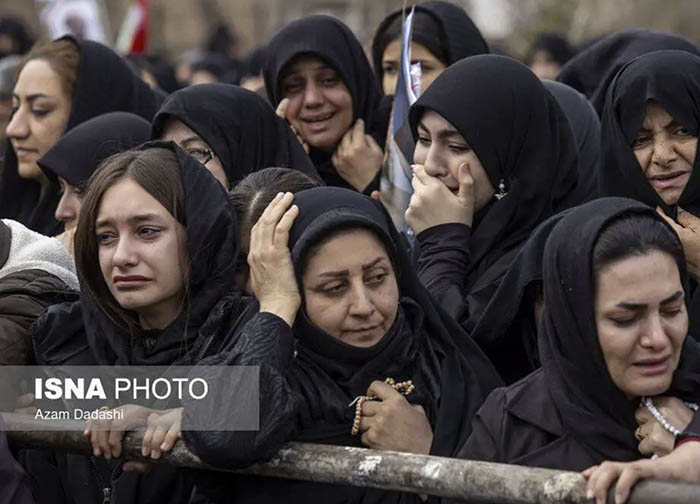
Funerals often reflect broader geopolitical tensions. Families express anger not only at immediate perpetrators but also at international actors.
Eastern Europe War Zones
In Ukraine, funeral ceremonies highlight the human cost of missile strikes, with families visibly devastated.
Protest Movements
In countries experiencing internal unrest, funerals of protesters become rallying points for resistance.
The Tension Between Private Grief and Public Politics
One of the most complex aspects of war funerals is the tension between personal mourning and political expression. Families come to bury their loved ones, yet they often find themselves at the center of a broader conflict narrative.
For some, this politicization feels like a violation. They want a quiet, dignified farewell but are surrounded by cameras, officials, and crowds. For others, the funeral becomes the only to demand justice, making silence impossible.
Governments sometimes struggle to navigate this delicate balance. Attempts to control funerals—whether through heavy security presence or restrictions on gatherings—can backfire, turning grief into. On the other hand, complete absence of official response may be perceived as indifference.
This tension underscores a fundamental: in times of war, even the most personal moments cannot escape politics.