The Interplay Between State Organization and Public Participation
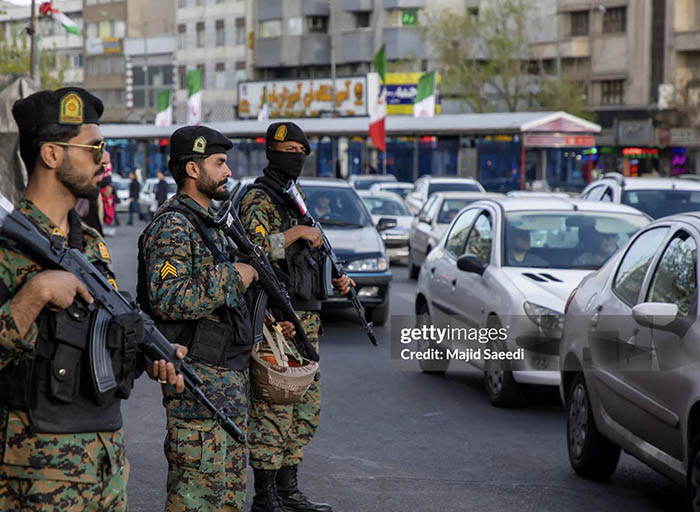
One of the most debated aspects of the demonstrations is the extent to which they were organized versus spontaneous. Evidence of coordinated elements—such as the distribution of thousands of flags—suggests a level of planning. At the same time, the visible enthusiasm and scale of participation indicate that many attendees were genuinely engaged.
This dual nature is not unusual in large-scale demonstrations, particularly in politically charged environments. Organization can provide structure and visibility, while public participation provides authenticity and emotional force. In Tehran, these elements appear to have merged, creating an event that is both orchestrated and organic.
This combination is particularly effective in shaping perception. To international observers, it presents an image of unity and strength. To participants, it offers a sense of belonging and purpose.
Regional Tensions and the Expanding Narrative
The broader context of the demonstrations is the ongoing conflict involving United States and Israel. The escalation that began in late February 2026 has transformed into a defining geopolitical moment, with implications that extend far beyond Iran’s borders.
In this context, the protests serve multiple functions. Domestically, they reinforce national solidarity and signal support for the government. Regionally, they communicate alignment and shared sentiment. Internationally, they act as a form of messaging, projecting an image of resilience in the face of external pressure.
The inclusion of Iraq and Afghanistan in this visual narrative subtly broadens the scope of the conflict. It suggests that the situation is not merely a bilateral or even trilateral confrontation but part of a larger regional dynamic.