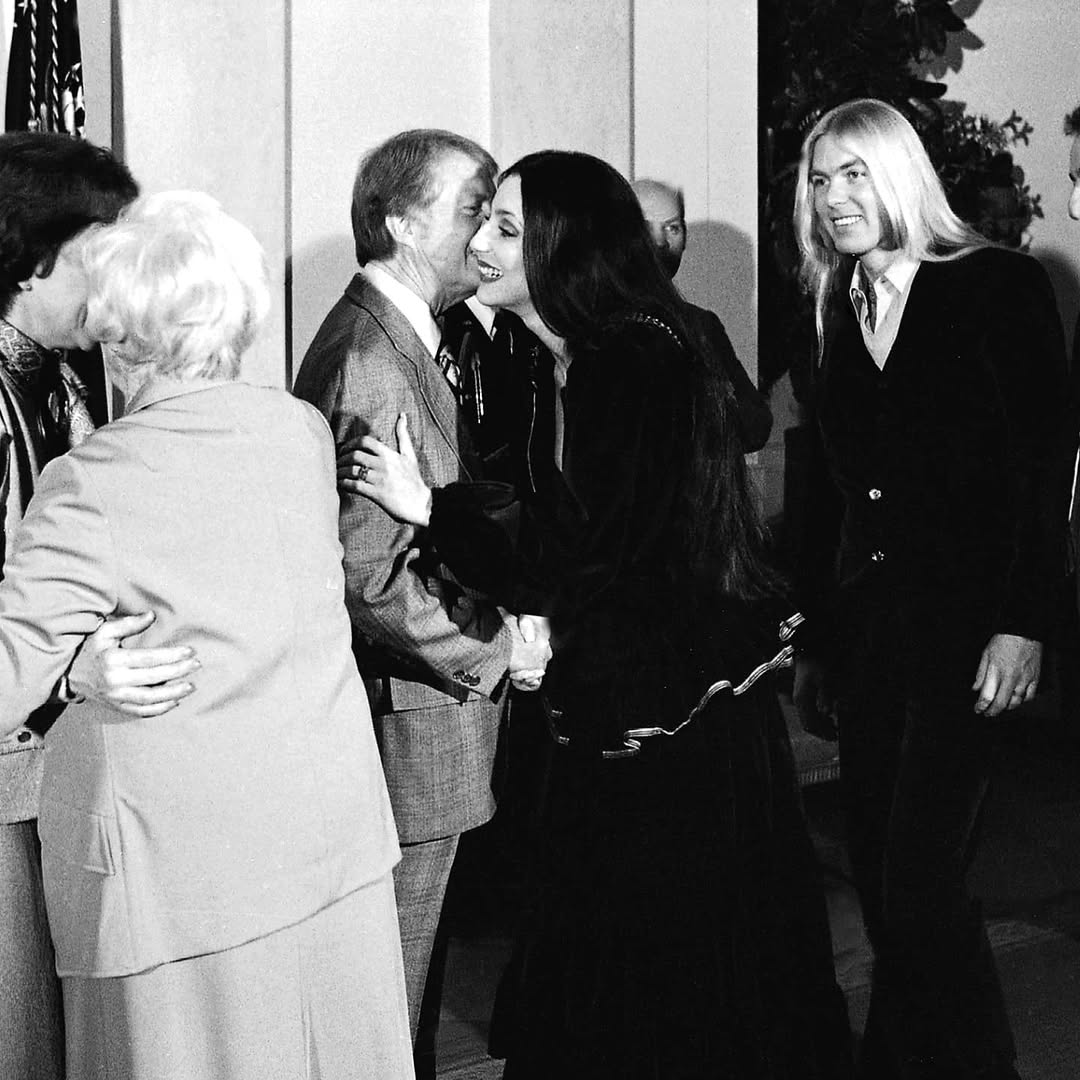
Ultimately, Jimmy Carter’s story reflects the complexity of leadership in modern history—a blend of political struggle, moral conviction, and enduring service that continued long after his time in the White House. In the broader arc of modern American history, Jimmy Carter occupies a distinctive place because his legacy cannot be confined to a single office or period. His post-presidency, in particular, reshaped how the role of former leaders is understood in the United States and beyond.
Through the Carter Center, Carter turned his attention toward long-term global problems that often received limited political attention. Rather than focusing on short-term political influence, the Center emphasized sustained engagement—monitoring elections in fragile democracies, supporting peace negotiations, and working to eliminate neglected diseases. This shift marked a transition from governing a nation to quietly influencing global systems.