Mojtaba Khamenei and the Question of Succession
Another major topic dominating Iranian political speculation is Mojtaba Khamenei.
As the son of Supreme Leader Ali Khamenei, Mojtaba has long remained a controversial and mysterious figure inside Iranian politics. Though rarely appearing publicly, he is believed by many analysts to hold significant influence within political, military, and security networks.
Speculation regarding succession intensified due to Ali Khamenei’s age and health concerns. Questions surrounding the future leadership of Iran have become central to both domestic politics and international diplomacy.
Mojtaba Khamenei represents another paradox within the Islamic Republic.
The Iranian Revolution of 1979 officially rejected hereditary monarchy. Ayatollah Ruhollah Khomeini overthrew the Shah partly to end dynastic rule. Yet critics argue that the growing prominence of Mojtaba creates fears of a quasi-dynastic political transition.
Supporters reject this characterization, insisting that any future leadership decision would follow constitutional and clerical procedures.
Nevertheless, discussions about Mojtaba reveal broader anxieties about the future direction of Iran.
Will Iran move toward:
- Greater military centralization?
- Pragmatic economic reform?
- Digital authoritarianism?
- Negotiated normalization with the West?
- Expanded regional confrontation?
These questions matter not only for Iran but for the entire Middle East.
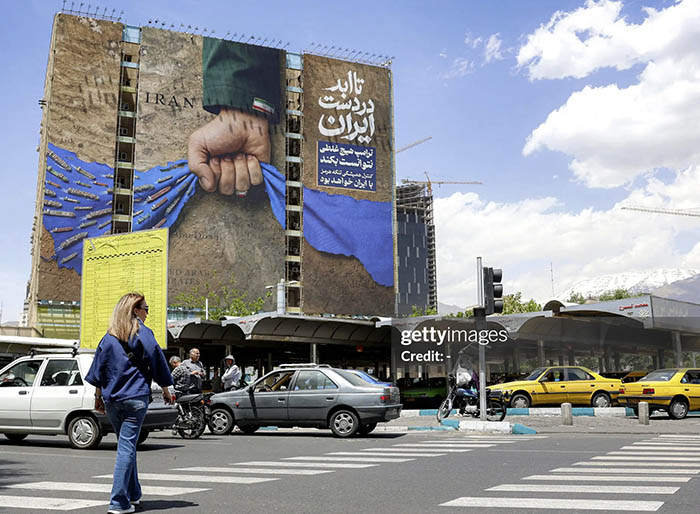
The images described in Tehran streets — giant posters, anti-US slogans, Strait of Hormuz messaging — demonstrate how leadership legitimacy increasingly relies on geopolitical confrontation narratives.
But inside homes and businesses, many Iranians focus less on ideology and more on inflation, employment, internet access, and the dollar exchange rate.