Conclusion
The reported assassination of Ali Larijani during the Iran war in March 2026 became one of the defining geopolitical events of the conflict.
The incident combined multiple dimensions:
- Military escalation
- Intelligence warfare
- Political instability
- Psychological pressure
- Regional insecurity
- International concern
The deaths of Ali Larijani, Morteza Larijani, and Alireza Bayat reportedly sent shockwaves through Iran’s political establishment and intensified fears regarding the future trajectory of the conflict.
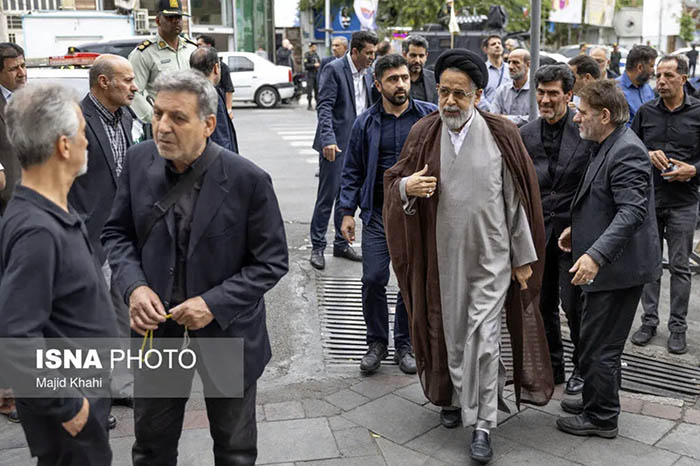
The memorial ceremony at Imam Sadeq Mosque in Tehran symbolized both national mourning and political resistance, while the burial at Fatima Masumeh Shrine in Qom reinforced the religious and symbolic significance surrounding the event.
Internationally, the assassination raised urgent questions regarding:
- The future of the Iran-Israel conflict
- Regional stability
- Leadership security
- Diplomatic prospects
- Intelligence warfare
The psychological impact on Iran’s leadership structure may prove as important as the operational consequences of the strike itself.
As global attention remained fixed on Tehran and the wider Middle East, the assassination of Ali Larijani came to represent the dangerous realities of modern geopolitical conflict in an era defined by precision warfare, intelligence operations, information battles, and escalating regional tensions.
Whether the event ultimately accelerates military confrontation or pushes governments toward renewed diplomacy remains one of the most important unanswered questions shaping the future of the Middle East and international security.