Conclusion
The events unfolding in Tehran and across the Gulf region in May 2026 represented one of the most significant geopolitical crises of the year.
Reports of U.S. military strikes on Iranian missile sites and maritime targets, explosions in Bandar Abbas, claims involving drones and F-35 aircraft, rising oil prices, and public ceremonies in Tehran combined to create a rapidly evolving international story.
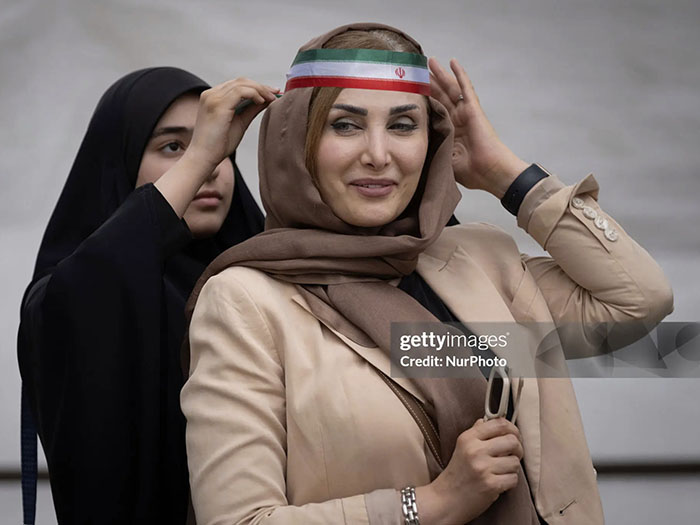
At the center of this crisis stood ordinary civilians in Tehran, continuing daily life amid uncertainty. Images from Valiasr Square showed citizens walking through shops, carrying national symbols, attending memorial ceremonies, and navigating the emotional weight of geopolitical confrontation.
The photographs and reports highlighted the intersection of politics, military strategy, diplomacy, economics, and human resilience.
As the world monitored developments between the United States and Iran, the streets of Tehran became symbolic representations of a global moment defined by tension, uncertainty, and the urgent search for stability.
The crisis also demonstrated how modern conflicts are shaped not only by missiles, military operations, and diplomatic negotiations, but also by viral imagery, social media narratives, and the lived experiences of ordinary people.
Whether through scenes at Valiasr Square, ceremonies at the Imam Khomeini Grand Mosque, or reports from Bandar Abbas and Gulf waters, the events of May 2026 will likely remain a defining chapter in the evolving relationship between Iran, the United States, and the wider Middle East.