Fashion shows also celebrate creativity. Rather than simply displaying clothes, designers often tell stories through colour palettes, silhouettes, fabrics, accessories, music, and stage production. Every garment contributes to a larger artistic narrative.
The Structure of a Fashion Show
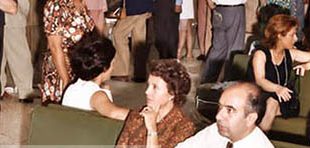
Although each fashion show is unique, most follow a similar structure. Guests arrive before the scheduled starting time and are seated according to their importance within the industry. Editors, celebrity guests, major buyers, and brand ambassadors usually occupy the front row, often referred to as the “Frow.”
Once the lights dim, music begins and the first model enters the runway. Models walk at a controlled pace to allow the audience to examine every detail of each outfit. The order of appearance is carefully organised so that colours, fabrics, themes, and silhouettes gradually develop throughout the presentation.
Lighting plays an essential role by highlighting textures, embroidery, and movement. Some designers prefer minimalist white lighting, while others use dramatic colours and projections to create atmosphere.
Most shows conclude with the finale, during which several models appear together before the designer walks onto the runway to acknowledge the audience’s applause.
History of Fashion Shows
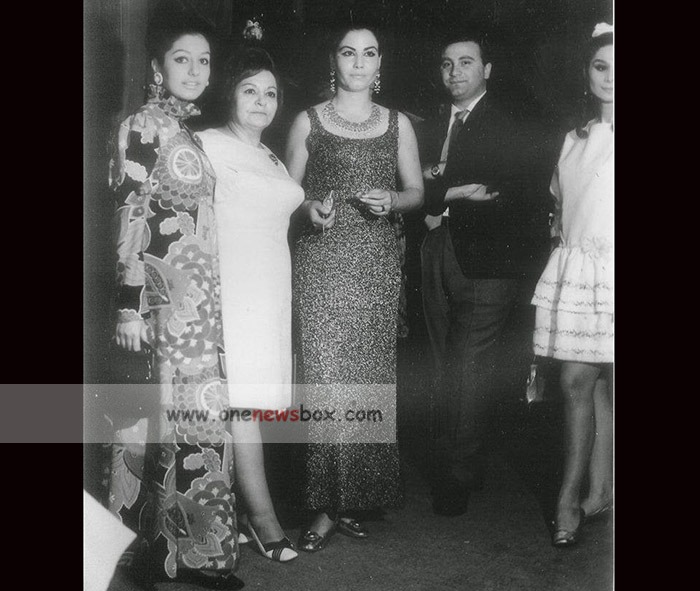
The origins of fashion shows can be traced to the late nineteenth century. French designer Charles Frederick Worth is widely recognised as one of the pioneers of modern fashion presentation. Rather than displaying garments on mannequins, Worth employed live models to wear his designs for wealthy clients. This innovative approach allowed customers to observe how garments moved and fitted the human body.