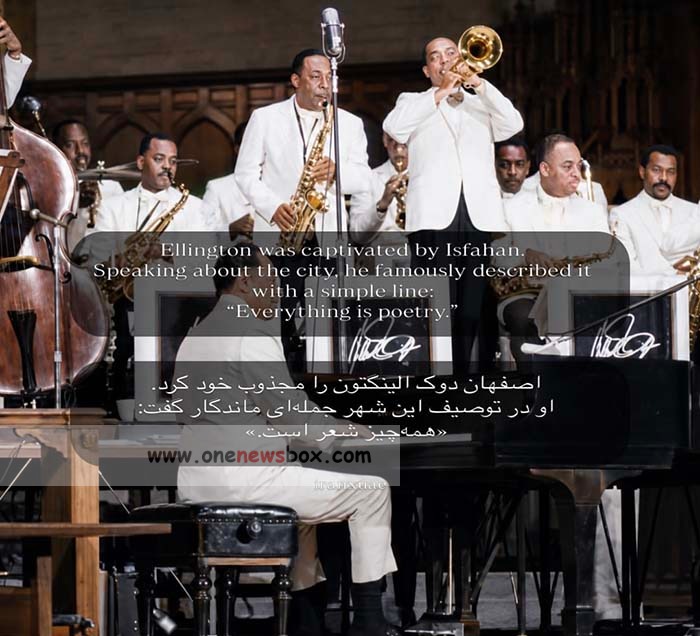
His orchestra was therefore more than an ensemble; it became an artistic instrument through which he could express a wide range of musical ideas. Different players contributed distinctive tones, and Ellington used these sounds almost like colors in a painting. His arrangements could be elegant, mysterious, dramatic, humorous, energetic, or deeply emotional. This ability to write for individual musicians helped distinguish Ellington from many other big-band leaders.
Ellington also became an important composer of short pieces designed for the three-minute 78-rpm recording format. Although the limitations of early recording technology were significant, he learned how to create memorable musical ideas within a short period. His compositions demonstrated that a three-minute jazz recording could contain sophisticated harmony, orchestration, rhythm, and characterization.
Among the many famous compositions associated with Ellington are “Mood Indigo,” “It Don’t Mean a Thing (If It Ain’t Got That Swing),” “Sophisticated Lady,” and “In a Sentimental Mood.” These works helped establish his reputation as a composer of exceptional originality. At the same time, Ellington frequently collaborated with members of his orchestra. One famous example is “Caravan,” associated with trumpeter and composer Juan Tizol. The composition introduced a distinctive exotic atmosphere and helped demonstrate Ellington’s interest in incorporating influences beyond conventional American jazz.