The coup that overthrew Mossadegh’s government, supported by British and American intelligence agencies and carried out through Iranian political and military networks, fundamentally transformed the country’s political landscape.
The restoration and consolidation of royal authority were followed by the suppression of opposition organizations, including the Tudeh Party.
Many activists were arrested, imprisoned, forced into hiding, or driven into exile.
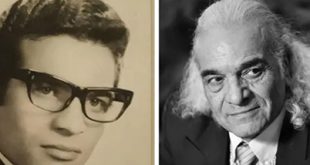
Khanbaba Tehrani was among those detained in the aftermath of the coup.
He was transferred to the prison of the Second Armored Division, where he remained for approximately four months.
According to biographical information published on his personal website, he was subjected to torture during his imprisonment.
This experience represented a significant turning point in his political development.
The coup and its aftermath reinforced the belief among many young leftists that meaningful political change could not be achieved through existing institutions.
The repression of opposition forces also contributed to a political culture in which clandestine organization, ideological discipline, and revolutionary struggle acquired increasing importance.
For Khanbaba Tehrani, the events of 1953 became part of a lifelong confrontation with the questions of political power, state violence, and the possibilities of democratic transformation.