In August 1941, British and Soviet forces invaded Iran. Their governments justified the occupation by referring to concerns about German influence in the country and the need to secure essential transportation routes. Reza Shah Pahlavi, who had ruled Iran since 1925, was forced to abdicate in September 1941. His son, Mohammad Reza Pahlavi, succeeded him as Shah.
The occupation fundamentally changed Iran’s political circumstances. British and Soviet forces controlled important parts of the country, while Iranian sovereignty was restricted by the presence of foreign troops. The Iranian government faced the difficult task of maintaining its authority while cooperating with the occupying powers.
The country also became central to the Allied supply system. The transportation route through Iran, later widely known as the Persian Corridor, enabled the Allies to send large quantities of military and economic assistance to the Soviet Union.
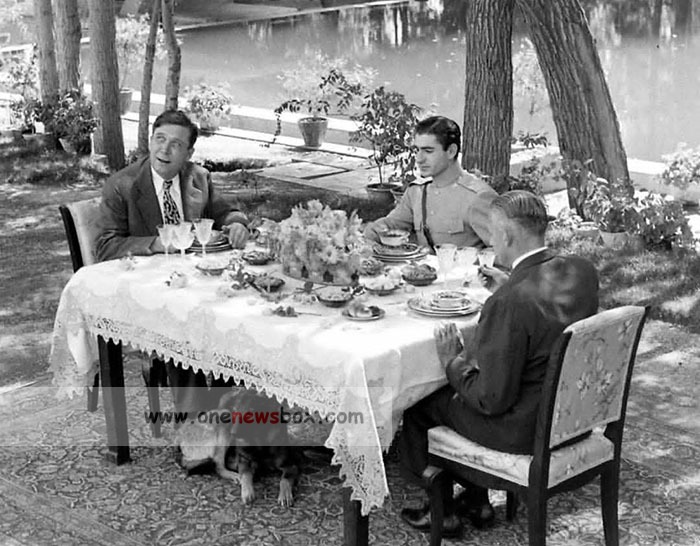
The United States increasingly became involved in these arrangements. American officials recognized that Iran’s stability was essential to the success of Allied operations. Consequently, American interest in Iran extended beyond oil and wartime logistics. Washington also became concerned with Iranian political independence, military development, economic conditions, and the country’s position in the emerging international order.It was within this complicated environment that Wendell Willkie arrived in Tehran in September 1942.