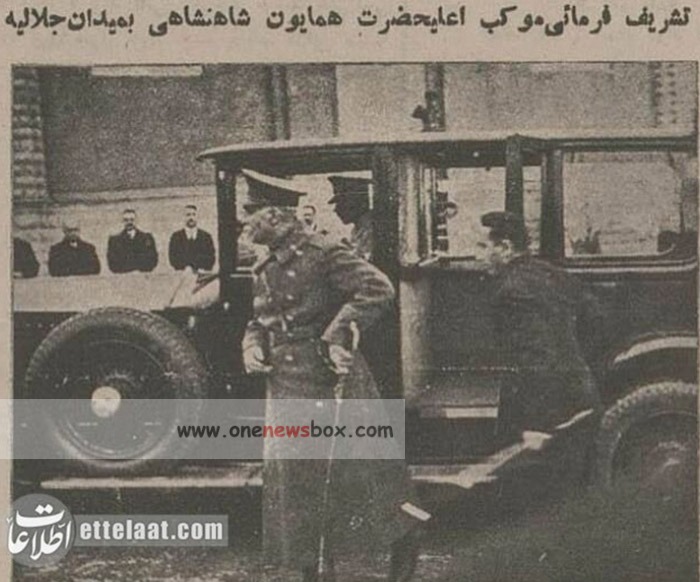
The history of modern Iran, particularly the early 20th century, is intertwined with the life and legacy of Reza Shah Pahlavi, a military leader who rose to power and changed the political and social landscape of the country. His reign, which lasted from 1925 to 1941, was marked by radical reforms and state-led modernization, shaping the nation into a new entity in the image of the West. But his rise to power was not easy, nor was it free of controversy. The transformation of the country under his leadership can be traced to the key events that marked his ascent and reign, as well as the broader context of Iranian history and politics during this period.
Early Life and Military Career
Reza Shah’s story begins in the northern region of the country, where he was born into relative obscurity. Born on 24 Esfand 1256 in the village of Alasht in the Savadkuh district, his family had a military background. His father, Abbas Ali Dadash Beg Savadkuh, served in the local army, while his grandfather, Murad Ali Khan, was a military commander. Despite his humble origins, Reza’s determination and ambition drove him to pursue a career in the military.