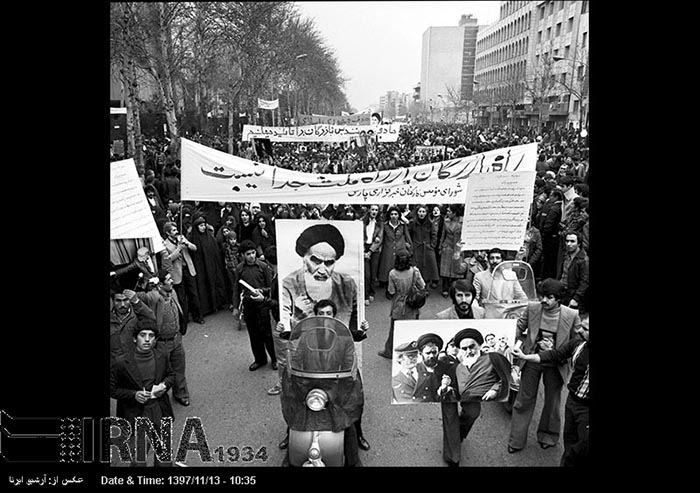
In this environment, members of the National Front, the Tūdeh Party, and their various splinter groups now joined the ulama in a broad opposition to the shah’s regime. Khomeini continued to preach in exile about the evils of the Pahlavi regime, accusing the shah of irreligion and subservience to foreign powers.
The shah’s dependence on the United States, his close ties with Israel—then engaged in extended hostilities with the overwhelmingly Muslim Arab states—and his regime’s ill-considered economic policies served to fuel the potency of dissident rhetoric with the masses.