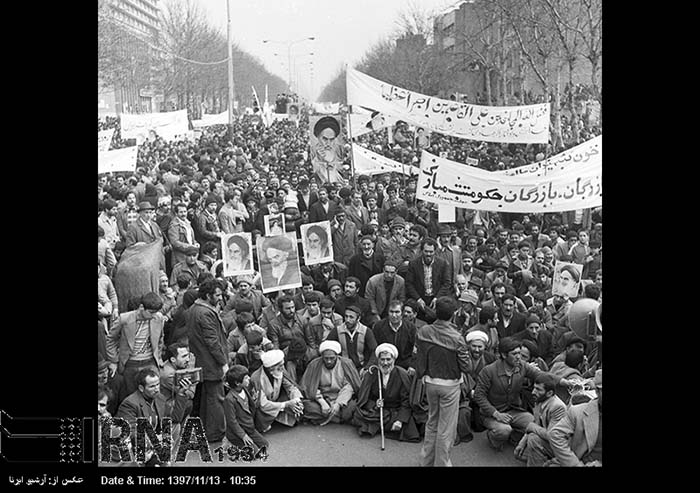
The shah’s dependence on the United States, his close ties with Israel—then engaged in extended hostilities with the overwhelmingly Muslim Arab states—and his regime’s ill-considered economic policies served to fuel the potency of dissident rhetoric with the masses.
For the first time in more than half a century, the secular intellectuals—many of whom were fascinated by the populist appeal of Ayatollah Ruhollah Khomeini, a former professor of philosophy in Qom who had been exiled in 1964 after speaking out harshly against the shah’s recent reform program—abandoned their aim of reducing the authority and power of the Shīʿite ulama (religious scholars) and argued that, with the help of the ulama, the shah could be overthrown.