“Raees only has four branches, while Starbucks is the largest coffee house company in the world. We are not comparable to Starbucks,” said Aslani, proudly wearing a pin with the Raees logo attached to his pullover. Men complained of rising bread prices, unfair wages, and corrupt officials. Rumors of rebellion traveled from table to table faster than any official proclamation. In these rougher establishments, anger fermented as surely as the ale behind the counter. When the time came for revolution, it was often these patrons — hardened by long days and empty pockets — who marched first into the streets.
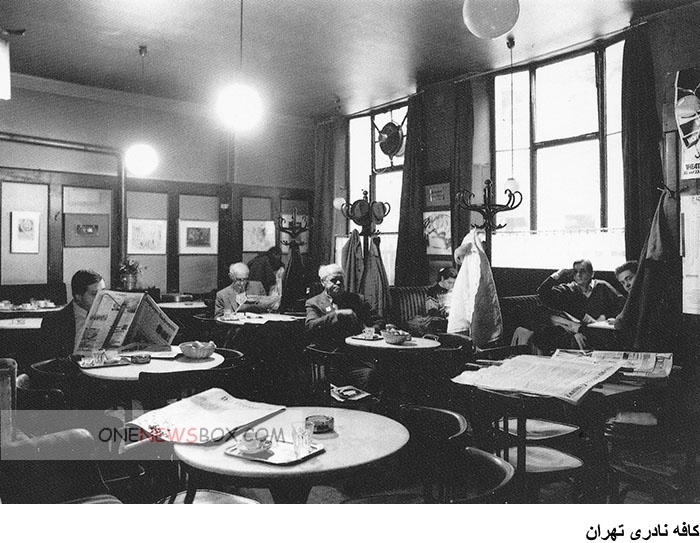
Cafes and bars may have seemed divided by class, but as tensions grew, their worlds began to merge. Students from the universities found common cause with artisans; journalists met soldiers; poets spoke to workers. Each conversation added another spark to the growing fire of discontent. In many cities, particular cafes and bars became legendary — known meeting points for conspirators and revolutionaries. Some were watched closely by the authorities; others hid secret printing presses in their cellars. A simple cup of coffee or glass of wine could suddenly feel like an act of defiance.