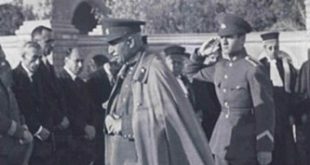
In 1940, a year before the Allies forced Reżā Shah’s abdication, there were over 150,000 adults in evening programs alone (Banani, Modernization, p. 105). During the reign of the first Pahlavi, expenditure on education rose from β100,000 in 1925 to well over β2 million in 1940. The achievement of this period includes the opening of the University of Tehran in 1935 .
The expansion of the secular system of education added a new dimension to the bureaucratic structure of homeland and undermined another traditional area of the ʿolamāʾ’s power.The bureaucratic expansion was further encouraged by the bourgeoisie’s historical weakness, which prevented it from undertaking major industrial investments, and by the absence of security of private property, a factor which derived from political instability and the possibility of confiscation.