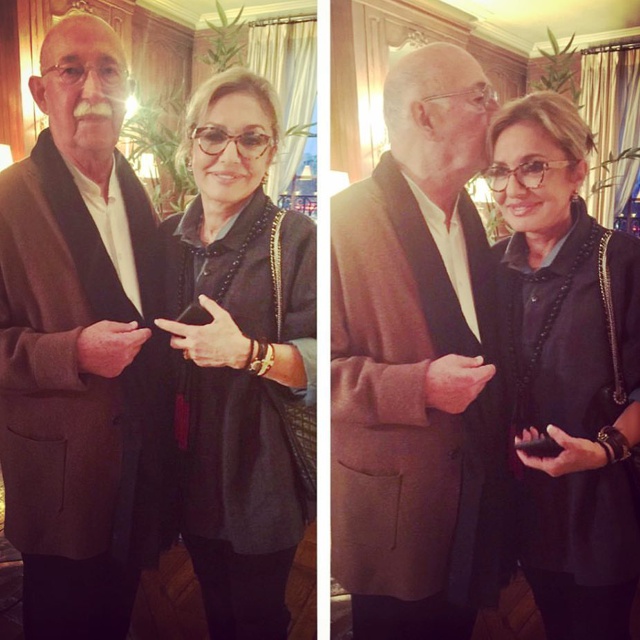
Although it had no legal standing, it symbolized courage, visibility, and resistance at a time when relationships were socially taboo. His personal story has since been revisited in writings, exhibitions, and documentaries, positioning him as a quietly radical figure—both in art and in life. Bijan Saffari was more than an architect, painter, and teacher; he was a bridge figure—connecting Europe, tradition and modernism, personal memory and public culture.
His work and life offer a window into a cosmopolitan that was cut short after the revolution, yet continues to inspire discussions around art, identity, and freedom. Saffari was not only an artist but also a connector. He moved across disciplines—architecture, theatre, visual arts—and built communities where dialogue could thrive.