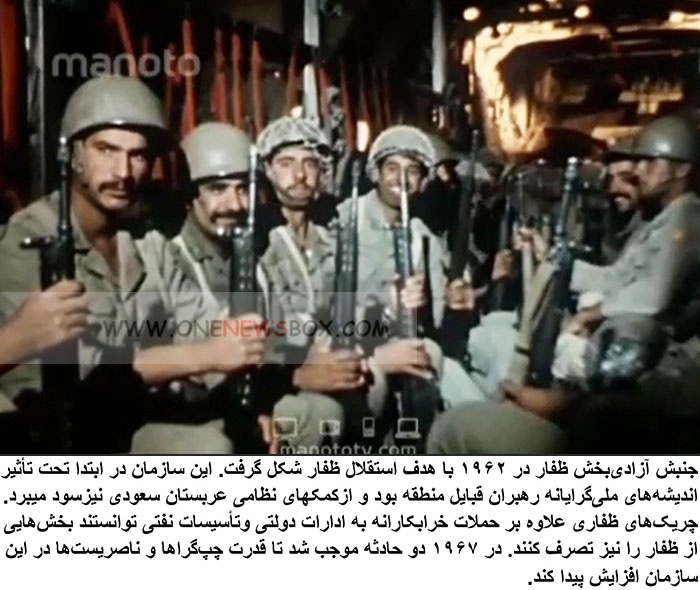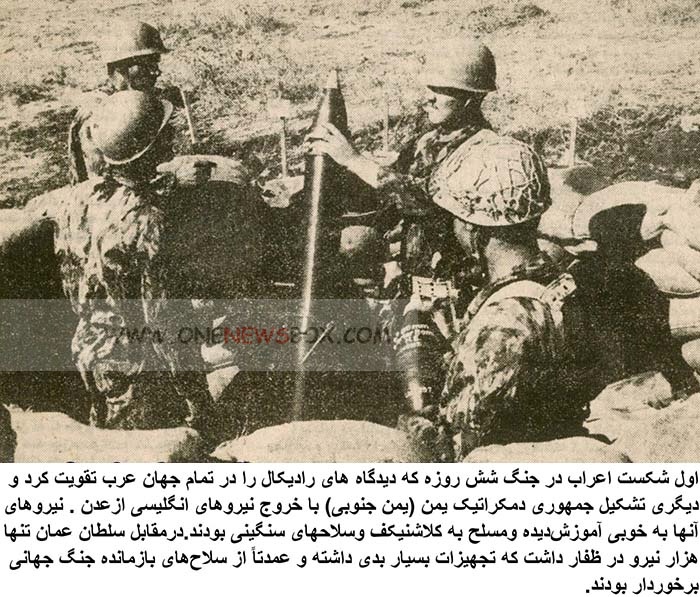
Omani and British goals, on the other hand, were to safeguard Oman from communism and halt the spread of communist ideology as part of the broader Cold War.The war initially took the form of a low level insurgency with guerrilla warfare being used against Omani forces and the foreign presence in the country. A number of factors such as the British withdrawal from Aden and support from China and the Soviet Union brought the rebels increased success, with the communists controlling the entirety of the Jebel region by the late 1960s.
The 1970 Omani coup d’état led to the overthrow of Sultan Said bin Taimur by his reformist son Qaboos bin Said who was backed by a major British military intervention in the conflict. The British initiated a “hearts and minds” campaign to counter the communist rebels and began the process of modernising the Sultan of Oman’s Armed Forces while simultaneously deploying the Special Air Service to conduct anti-insurgency operations against the rebels.