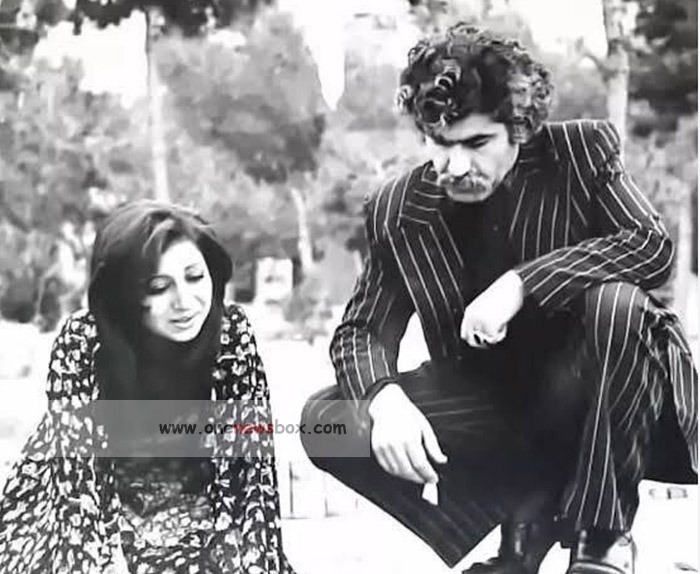
Bakhshi entered cinema in 1969 with a role in Mr. Halo, directed by Dariush Mehrjui. The film, known for its satirical tone and social commentary, marked the beginning of his screen career. Transitioning from stage to camera required adjustments: gestures became subtler, expressions more contained, and timing adapted to editing rhythms rather than live audience reaction.
During the 1970s, he appeared in numerous films that expanded his public recognition. Among them were Sattar Khan (1972), Tangna (1973), Tangsir (1973), Maslakh (1973), Deer (1974), Sardar Jangal (1973), Senator (1974), Shekar (1976), Train (1976), Khabrchin (1976), Passengers (1970), Delshodegan (1971), Day of the Event (1973), Musafer Ray (1979), and Dog Killing (1979).
These works often cast him in roles of authority, menace, or moral ambiguity. His angular features, penetrating gaze, and commanding voice made him a natural fit for antagonists and conflicted figures. Yet even in darker roles, he avoided caricature. He searched for human motivation beneath harsh exteriors.
The Anti-Hero and Artistic Evolution
Bakhshi became widely associated with anti-hero characters—men shaped by circumstance, torn between loyalty and survival, power and vulnerability. However, he resisted being confined to a single archetype. Over time, he deliberately sought positive roles that highlighted compassion, wisdom, and resilience.