The Language of Resistance and Sovereignty
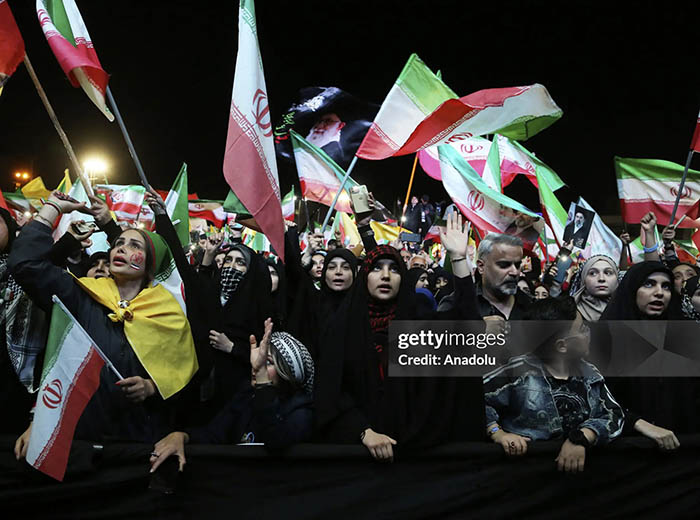
One of the most striking features of the rallies is the consistent use of language centered on resistance, sovereignty, and independence. These themes are deeply rooted in the political identity that emerged after the Iranian Revolution. Over time, they have become part of a shared vocabulary that shapes how political events are framed and understood.
When demonstrators chant slogans directed at external actors such as the United States or Israel, they are engaging in a form of symbolic opposition that extends beyond immediate policy disagreements. These expressions tap into a broader narrative of historical grievance, national pride, and ideological positioning.
What makes this language powerful is its adaptability. It can be applied to different situations while maintaining a consistent underlying message. Whether the context is military tension, diplomatic conflict, or economic pressure, the same core themes can be invoked to create a sense of continuity and coherence.
Generational Perspectives and Shifting Meanings
While the symbols and slogans used in these rallies have remained relatively consistent, their meanings are not static. Different generations interpret them in different ways, shaped by their own experiences and expectations.
For older participants, the imagery of الثورة and resistance may evoke direct memories of transformative political change. For younger participants, who did not experience those events firsthand, the same symbols may carry a more abstract or reinterpreted meaning. They may be seen less as reflections of lived experience and more as elements of a national narrative that continues to evolve.
This generational dynamic adds another layer of complexity to the rallies. It suggests that while the outward form of political expression remains stable, its internal significance is constantly being renegotiated. The presence of young people in the April 2026 gatherings is therefore not just a sign of continuity, but also an indication of change.