Power, Narrative, and the Architecture of Mobilization
To understand the full scope of the April 2026 rallies in Tehran, it helps to look at how political systems construct and sustain public participation over time. These gatherings are not isolated reactions to single events; they are part of a broader architecture of mobilization that has evolved over decades in Iran.
This architecture combines institutional organization, ideological messaging, and symbolic geography. It operates through networks that include civic organizations, educational institutions, and religious structures, all of which contribute—directly or indirectly—to the ability to bring large numbers of people into public spaces. The result is a form of political expression that appears spontaneous on the surface but is often supported by underlying systems of coordination.
At the same time, it would be overly simplistic to describe such mobilization as purely top-down. Public participation in Iran often reflects a mixture of motivations. Some individuals attend because they strongly identify with the political message being expressed. Others participate out of social expectation, institutional affiliation, or curiosity. The coexistence of these motivations makes it difficult to draw clear lines between voluntary and organized participation.
International Reactions and Interpretive Gaps
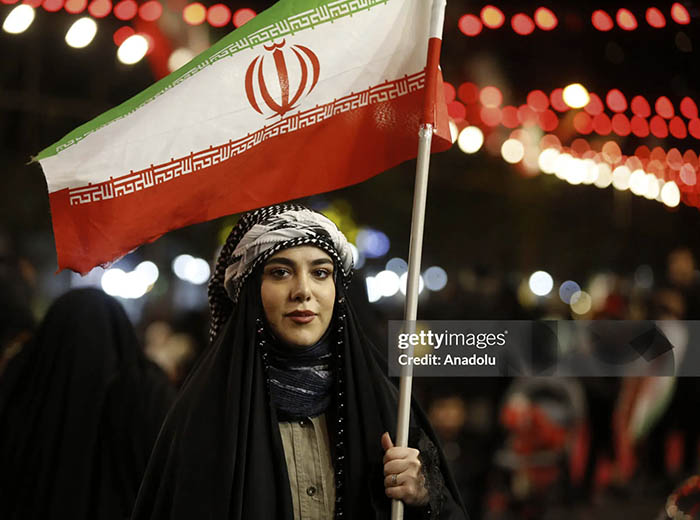
When images and reports from these rallies reach international audiences, they often encounter interpretive gaps. Viewers in different countries may lack the historical and cultural context needed to fully understand what they are seeing. As a result, the same images can produce very different conclusions.
For some observers, large pro-government gatherings suggest strong internal support and stability. For others, they raise questions about organization, messaging, and the dynamics of participation. These differing interpretations are shaped by preexisting assumptions, political perspectives, and media framing.
This gap between intention and perception is a recurring feature of international communication. It highlights the challenges of conveying complex political realities through images and brief reports. Without deeper analysis, it is easy for narratives to become simplified or polarized.