The Emotional Economy of Uncertainty
Beyond the visible economy of markets and trade lies another system: the emotional economy. During the ceasefire, this invisible becomes increasingly strained.
People measure risk not just in financial terms, but in emotional ones. Hope becomes a resource—one that must be managed carefully. Too much optimism can lead to disappointment; too little can drain motivation.
This balancing act is evident in the way people speak. There is cautious language, hedged expectations, and a tendency to avoid definitive statements about the future. Words like “maybe,” “inshallah,” and “we will see” dominate conversations.
Transportation, Traffic, and the Rhythm of Movement
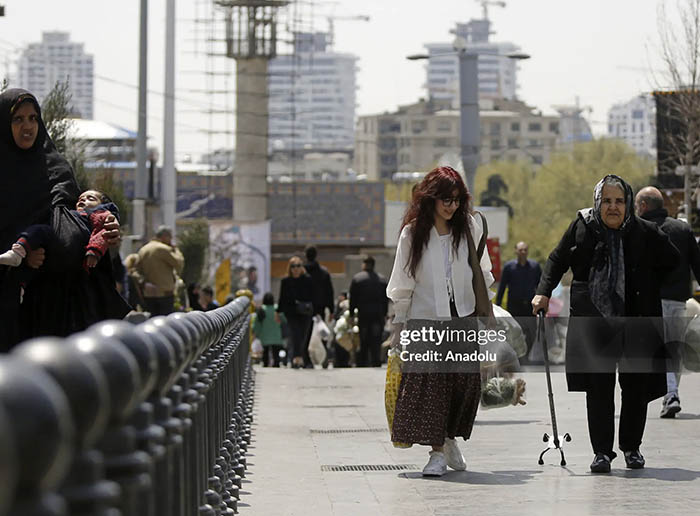
Tehran’s infamous traffic remains one of the most consistent aspects of life, even during geopolitical tension. Highways are packed during rush hours, and the metro system continues to carry thousands of commuters daily.
Movement itself becomes symbolic. The act of going to work, attending university, or visiting relatives represents continuity—a refusal to let uncertainty.
Taxi drivers, often informal commentators on current events, share a wide range of perspectives. Some express skepticism about the durability of the ceasefire, while others hold onto cautious optimism that diplomacy might prevail.