As the sun begins to set over Tehran, the city transforms, not into silence, but into another layer of that carries both comfort and quiet tension. The softens across the Alborz mountains, and the takes on a golden hue that feels almost cinematic. Yet even in this beauty, there is an awareness that time—like the ceasefire itself—is limited.
Evenings Filled With Normalcy—and Questions
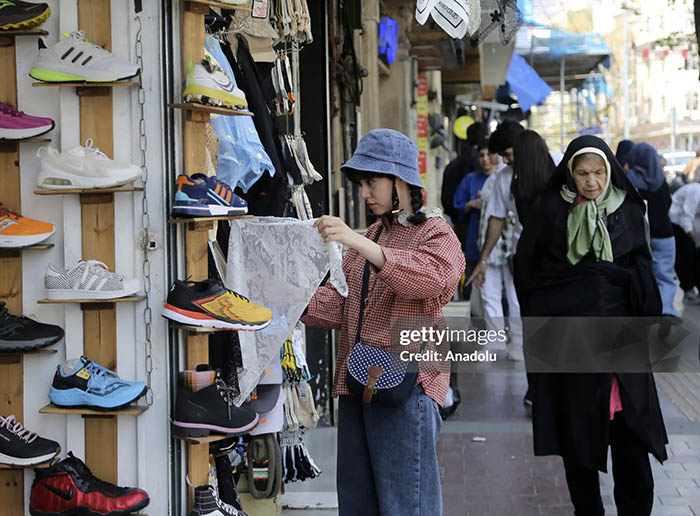
Evenings in Tehran have always been social. Families gather for dinner, friends meet in small cafés, and couples walk through parks, sharing moments that feel ordinary but carry deeper weight in uncertain times.
Restaurants fill with conversations that drift between everyday topics—work, school, relationships—and the unavoidable presence of politics. It is not that people want to talk about conflict; it is that conflict has made itself impossible to ignore.
In neighborhoods across the city, televisions quietly broadcast updates about negotiations, often featuring discussions about the role of Pakistan in mediating talks and the of Donald Trump regarding the future of the truce. These discussions seep into daily life, shaping opinions, fears, and hopes.